
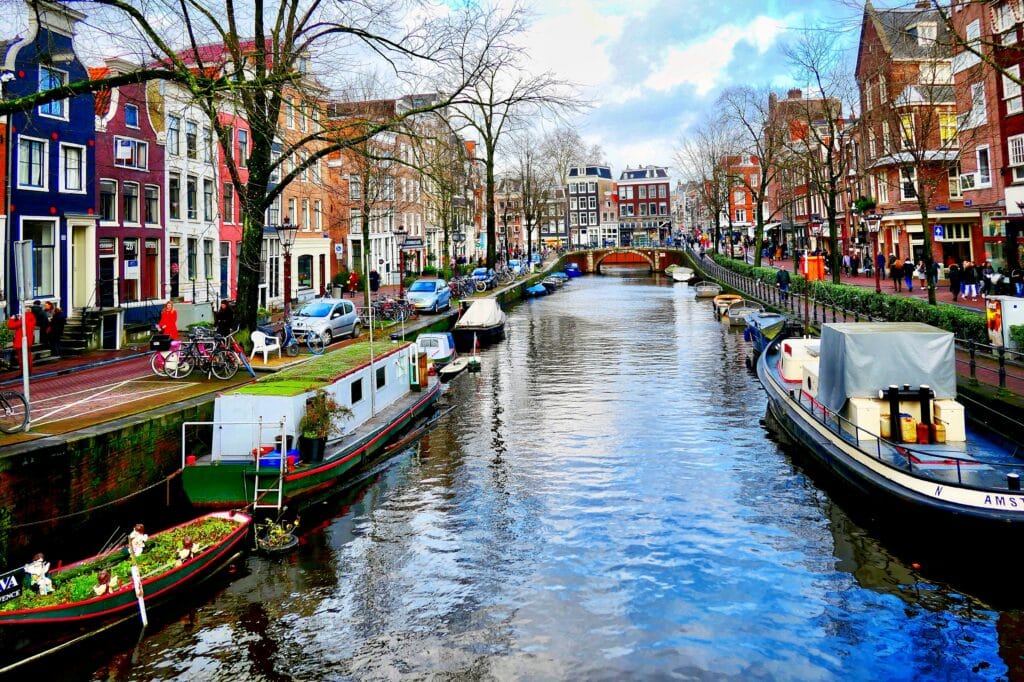
Planning things to do in Amsterdam starts with knowing how this compact city packs culture, history, and daily life into walkable streets and canals. In this guide, you discover what to see, what to skip, and how to plan your time in the Dutch capital of the Netherlands with less stress and more value. Also, you get simple tips on when to go, how to get around, and where locals actually spend time.
You can expect canal cruises, top museums, lively neighborhoods, green parks, local food, and historic sites that rank among the best things to do in Amsterdam. You can bike like locals, ride ferries for free, and use public transport to save time. Book popular museums early, especially the Anne Frank House, and plan indoor stops during winter or rainy days.
Amsterdam rewards slow travel. Spring brings flowers and mild weather, summer adds festivals and long days, and fall feels calm with fewer crowds. Winter works well for museums and cozy cafés. Stay central or near a tram line to move fast and see more without rushing.
Key Takeaways
- You can mix canals, culture, food, and history in one easy trip.
- Smart planning saves time with transport passes and advance tickets.
- Each season offers different ways to enjoy the city.
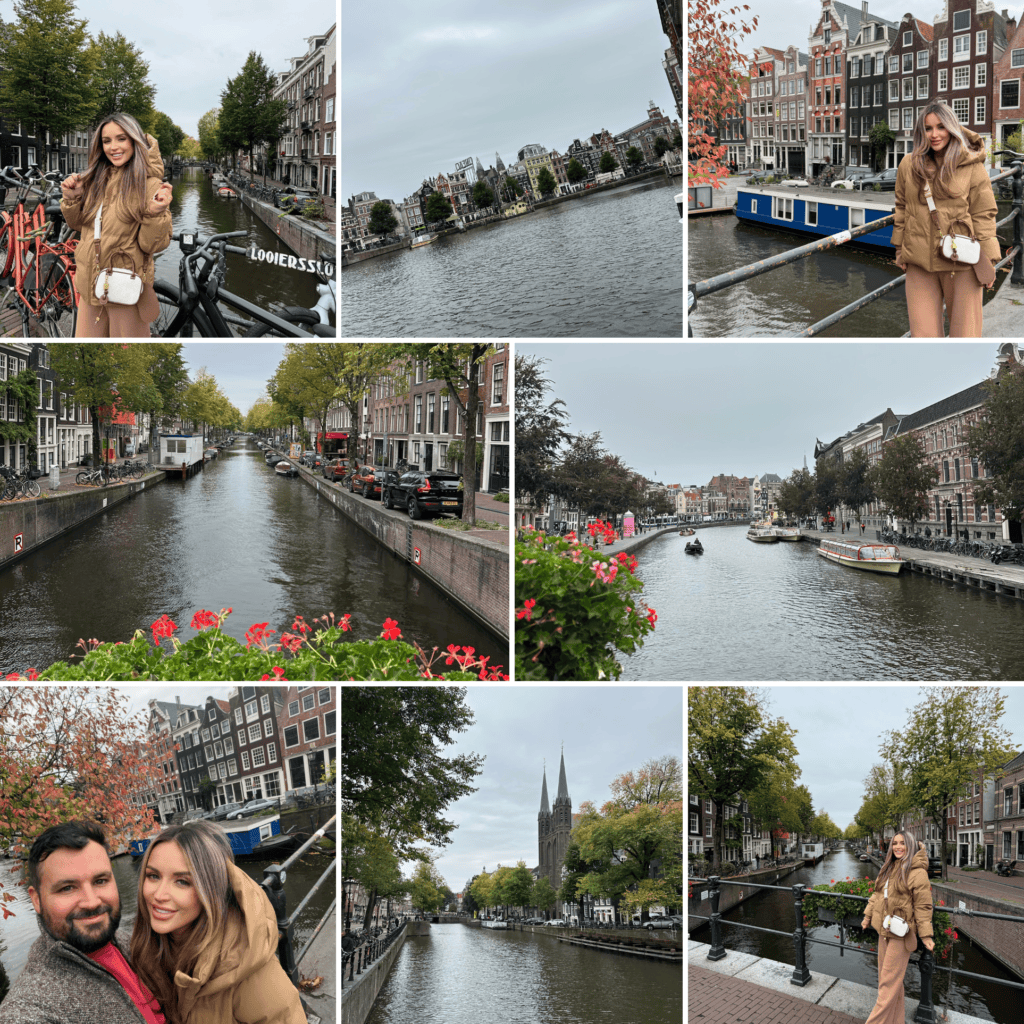
Explore Amsterdam’s Iconic Canals
You experience Amsterdam best from the water and along its narrow streets. The canals shape daily life, link major sights, and show how the city grew around trade, homes, and smart design.
Canal Cruise Experiences
A canal cruise gives you a clear view of the city in a short time. Most routes leave from Damrak near Amsterdam Central Station, which makes them easy to reach on your first day.
Boats pass along Prinsengracht and Herengracht, two of the most important canals. You see bridges, houseboats, and historic canal houses from a calm angle.
Practical tips:
- Choose a small boat for quieter routes and sharper views.
- Go in the morning for fewer crowds.
- In winter, pick a covered boat with heated seating.
Audio guides often explain key landmarks, which helps you understand what you see without extra planning.
Historic Canal Houses and Architecture
The tall canal houses line the canals with narrow fronts and large windows. Builders designed them this way to reduce taxes and move goods by pulley from the street.
You notice key features as you walk:
- Hooked beams at the roof for lifting cargo
- Stepped or curved gables
- Slightly tilted walls for safe loading
Herengracht holds some of the grandest homes, once owned by wealthy merchants. Many houses now serve as museums, offices, or private homes.
Walk slowly and look up. Early evening light shows the details best, especially in spring and fall.
UNESCO World Heritage Canal Ring
The canal ring forms a half-circle around the old city. City planners built it in the 17th century during a period of strong growth.
UNESCO named it a World Heritage Site for its planning, scale, and condition. The main canals include Herengracht, Keizersgracht, and Prinsengracht.
You can explore the area on foot or by bike. Trams also cross the ring at many points, which helps you move fast.
Local insight: weekday mornings feel calm, while weekends draw more visitors. Visit early if you want space to walk and take photos.
Strolling along De 9 Straatjes (Nine Little Streets)
De Negen Straatjes, also called De 9 Straatjes or Nine Little Streets, sit between the main canals. These streets connect Prinsengracht, Keizersgracht, and Herengracht.
You find small shops, vintage stores, and local cafés packed into short blocks. The area feels lively but still walkable.
Planning tips:
- Visit late morning for open shops and fewer tour groups.
- Wear comfortable shoes; streets use uneven stones.
- Stop for coffee near a canal bridge for a quiet break.
This area works well between a canal cruise and a museum visit.
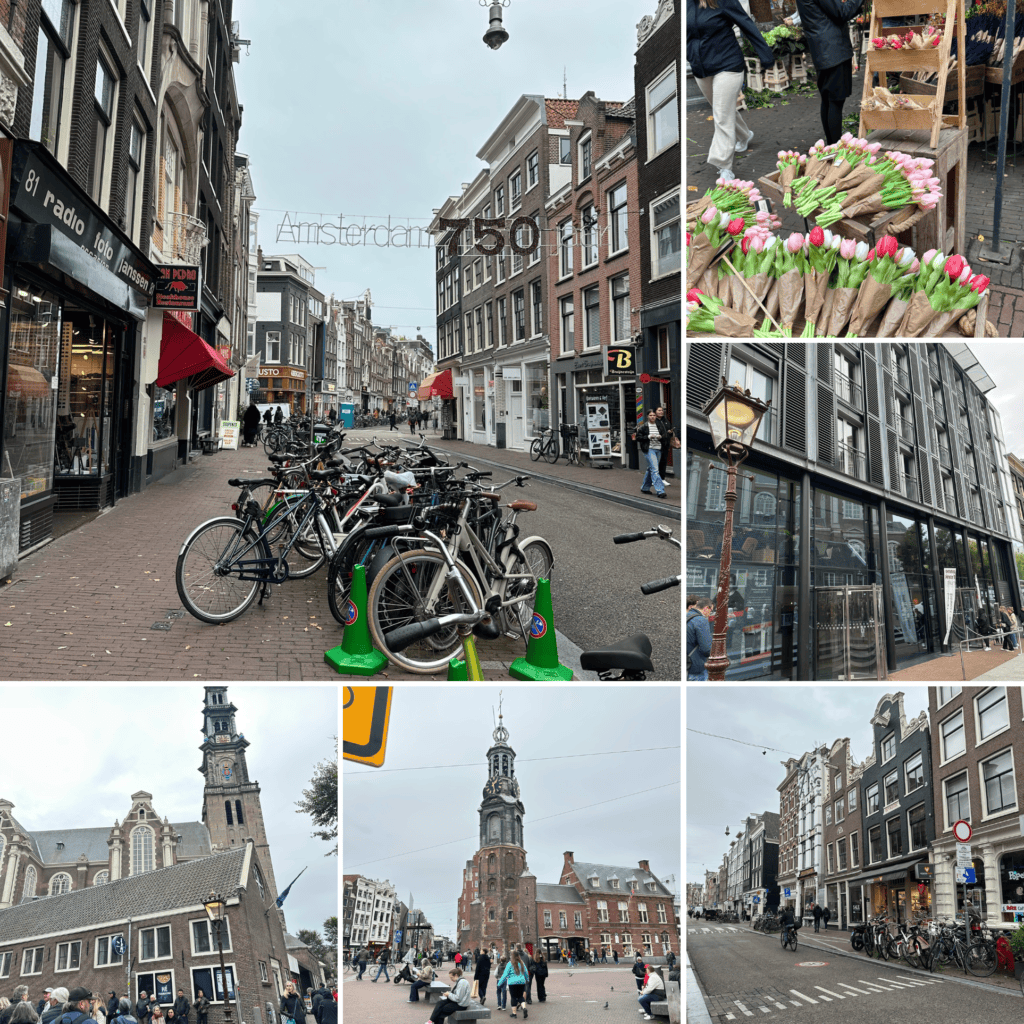
Discover World-Class Museums and Art
Amsterdam offers direct access to major art, history, and science museums within compact areas like Museumplein and the old city center. You can see Dutch Golden Age paintings, learn about life during World War II, and explore modern design in a single day with careful planning.
Rijksmuseum and Dutch Masters
The Rijksmuseum holds the most important collection of Dutch art and history. You see works from the Dutch Golden Age, including Rembrandt, Vermeer, and Frans Hals. Key highlights include The Night Watch and The Milkmaid, both displayed with clear context.
The museum also shows ships, weapons, and everyday objects from Dutch history. This mix helps you understand how art and daily life connected.
Practical tips
- Arrive early or after 3 p.m. to avoid crowds.
- Book tickets online in advance.
- Allow at least 2–3 hours for a focused visit.
Van Gogh Museum: The Life and Art of Vincent van Gogh
The Van Gogh Museum, next to the Rijksmuseum on Museumplein, focuses on the life of Vincent van Gogh. You follow his story through letters, sketches, and paintings arranged in time order.
Famous works like Sunflowers and The Bedroom sit beside lesser-known early pieces. This layout shows how his style changed over time.
The museum gets busy year-round, especially in spring and summer.
Local insight
- Late afternoon visits feel calmer.
- Audio guides add useful detail without taking much time.
- Expect about 90 minutes for a solid visit.
Anne Frank House and the Secret Annex
The Anne Frank House preserves the home where Anne Frank and her family hid during World War II. You walk through the Secret Annex and see the original diary pages.
The experience feels quiet and direct. It focuses on daily life, fear, and hope under occupation rather than large displays.
Tickets sell out fast.
Planning advice
- Book tickets online several weeks ahead.
- Evening time slots often feel less crowded.
- The nearby Verzetsmuseum (Dutch Resistance Museum) adds broader context if you want more history.
Other Notable Museums: MOCO, Stedelijk, NEMO, and More
Amsterdam offers many smaller and specialized museums. The MOCO Museum features modern artists like Banksy and Andy Warhol in a historic house. The Stedelijk Museum focuses on modern and contemporary art and design.
Families often enjoy the NEMO Science Museum, with hands-on exhibits and a rooftop view. History fans may prefer the National Maritime Museum or Museum Ons’ Lieve Heer op Solder, a hidden church in an attic.
Quick picks by interest
- Modern art: Stedelijk, MOCO
- Kids: NEMO Science Museum
- History: National Maritime Museum, Verzetsmuseum
- Unique topics: Museum of Prostitution
Consider a museum pass if you plan multiple visits in a short stay.
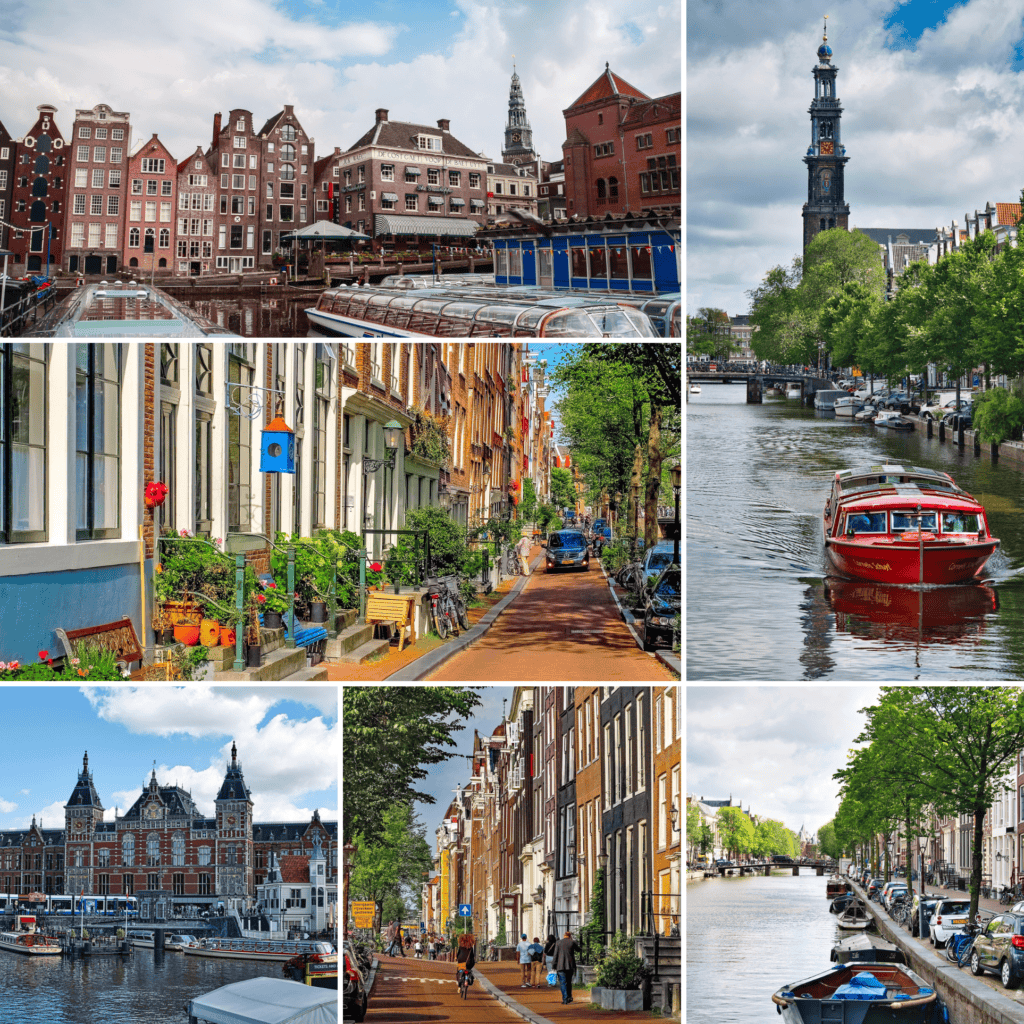
Experience Amsterdam’s Distinct Neighborhoods
Amsterdam’s neighborhoods each offer a clear reason to visit. You can walk historic streets, eat local food, or see wide views of the city, often within a short tram or ferry ride.
Jordaan: Culture, Cafes, and Boutiques
You find Jordaan just west of the city center, near Westermarkt and Raadhuisstraat. Narrow streets and quiet canals shape the area. Small cafes, vintage shops, and galleries line the blocks.
On Saturdays, stop by Noordermarkt for fresh bread, cheese, and simple street food. Many locals shop here early, so arrive before 10 a.m. if you want shorter lines. Walk toward Westerpark to reach Westergas, a former gasworks with cafes and cultural events.
Practical tips
- Walk the area; streets feel tight for bikes.
- Visit in spring or fall for mild weather and fewer crowds.
- Sit at a cafe during weekday mornings for a calmer pace.
De Pijp and Foodhallen
The De Pijp neighborhood feels busy and local. You see more residents than tour groups, especially around Albert Cuypmarkt. This long street market sells fresh fruit, stroopwafels, and quick lunches. Vendors usually open by mid-morning and close by late afternoon.
Nearby, Foodhallen offers indoor food stalls with many cuisines. It works well on rainy days or when you want variety without planning. Trams run often through De Pijp, so you can move fast.
What to focus on
- Eat at Albert Cuyp Market for low-cost meals.
- Visit Foodhallen in the evening for dinner options.
- Go early on weekends to avoid long lines.
Amsterdam Noord and A’DAM Lookout
You reach Amsterdam Noord by a free ferry from Central Station. The ride takes about three minutes. The area feels open, with wide streets and former industrial sites like NDSM, now filled with art spaces and cafes.
The A’DAM Lookout sits in the A’DAM Tower and gives you clear views across the city. On clear days, you can spot the historic center and the river. Wind can be strong, so bring a jacket, even in summer.
Local insight
- Ferries run often, even late.
- Visit Noord in the afternoon, then stay for sunset views.
- Combine NDSM and A’DAM Lookout to save travel time.
Stroll Amsterdam’s Parks and Outdoor Spaces
Amsterdam gives you easy access to green space without leaving the city. Large parks, quiet neighborhood gardens, lakes, and rooftop bars let you slow down, walk, or sit outside between sightseeing stops.
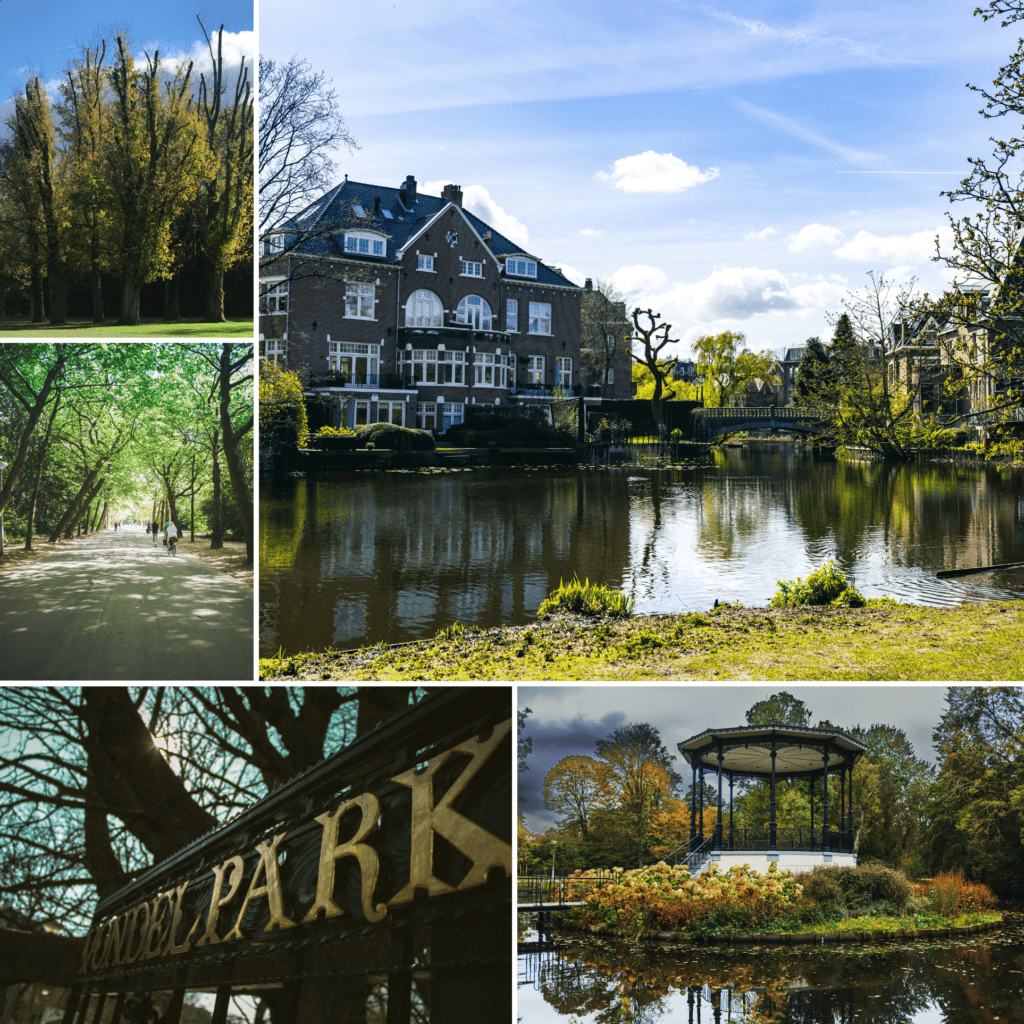
Vondelpark: The City’s Green Heart
Vondelpark sits just south of Leidseplein and draws locals all day. You can walk wide paths, relax by the ponds, or watch street performers near the main lawns. The park feels busiest on warm afternoons, especially in summer.
Kids play at Groot Melkhuis, while adults stop for drinks at the Blauwe Theehuis café. You can also find sculptures, including one by Picasso near the southern paths.
Practical tips
- Go early in the morning for quiet walks.
- Summer allows picnics, but follow posted rules.
- Biking through the park works well, but stay alert during busy hours.
Amsterdamse Bos and Nature Escapes
Amsterdamse Bos sits south of the city in Amstelveen and feels more like a forest than a park. You can walk long trails, rent bikes, or watch rowers train on the Bosbaan. Spring brings cherry blossoms, while summer offers swimming spots and shaded picnic areas.
Families often visit the goat farm, where kids can pet animals and try goat milk ice cream. If you want water views closer to the city, head west to Sloterplas, which has a lake, beach areas, and walking paths.
Seasonal advice
- Spring and early fall offer the best weather.
- Bring layers; wind feels stronger near open water.
Charming Urban Spaces and Rooftop Bars
Smaller parks and elevated views balance the larger green areas. Sarphatipark and canals near Leidsegracht give you calm spots close to shops and cafés. These areas work well for short breaks between museums or markets.
Rooftop bars add outdoor space with city views. Several sit near Leidseplein, making them easy evening stops. Go near sunset for softer light and shorter lines.
Local insight
- Rooftop bars often require reservations on weekends.
- Dress for wind, even on warm days.
- Combine a canal walk with a drink to save time.

Savor Dutch Food and Local Flavors
You can taste Amsterdam through classic dishes, busy markets, and local drinks. Try everyday foods, sample famous sweets, and visit places where locals eat and drink.
Traditional Dutch Cuisine and Snacks
Dutch cuisine focuses on simple, filling foods with clear flavors. You will see bitterballen on many menus. These fried meat snacks pair well with mustard and a local beer.
You should also try haring, often served as raw herring with onions and pickles. Locals eat it by holding the fish and taking small bites. Vendors sell it more often from late spring through summer, when the catch tastes best.
Other common Dutch snacks include fries with mayo and cheese plates with aged Gouda. Order small items to share so you can try more flavors. Many cafés serve snacks all day, not just at night.
Street Markets and Famous Treats
Street markets offer fast, affordable food and a local feel. Albert Cuypmarkt in De Pijp stands out for variety and value. You can find fresh produce, hot snacks, and made-to-order stroopwafels.
The Bloemenmarkt, also called the floating flower market, focuses on flowers and bulbs. Food options stay limited, so plan a snack stop before or after your visit.
For an easy indoor option, go to Foodhallen inside De Hallen. This modern food hall has many stalls in one space.
Popular market treats
- Warm stroopwafels
- Fresh-cut fries
- Grilled sausage
Visit markets earlier in the day to avoid crowds, especially on weekends.
Breweries and the Heineken Experience
Amsterdam has a strong brewing history. The Heineken Experience sits in the former brewery and explains how the beer is made. You walk through exhibits, learn the process, and finish with tastings. Book tickets ahead during peak travel months.
For a smaller, local setting, visit Brouwerij ’t IJ near a windmill. The brewery serves craft beers with outdoor seating when the weather is mild.
You can also try genever, a traditional Dutch spirit. Bars serve it chilled, often with beer as a pairing. Order a small pour if you are new to it.
Uncover Amsterdam’s Rich History and Unique Sights
Amsterdam blends royal landmarks, working neighborhoods, and nearby rural landscapes into one compact experience. You can move from grand palaces to medieval streets and then reach quiet countryside in less than an hour.
The Royal Palace and Historic Squares
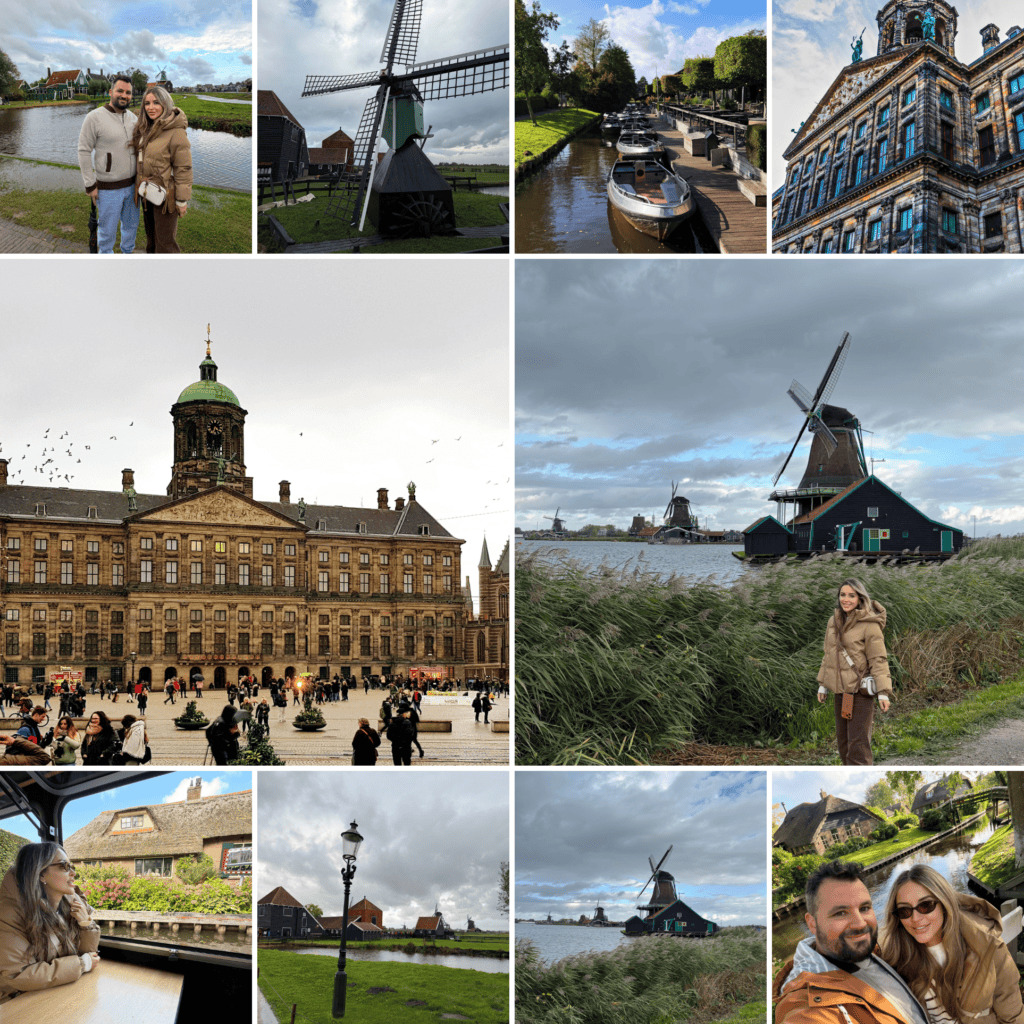
The Royal Palace Amsterdam stands at the center of Dam Square, one of the city’s oldest public spaces. The building dates to the 17th century and once served as city hall. Today, King Willem-Alexander uses it for official events tied to the Dutch royal family, while visitors can explore it most days.
Inside, you see marble halls, detailed maps, and symbols of Amsterdam’s past power. Plan your visit earlier in the day to avoid crowds. In winter, the square hosts seasonal events and light displays. Trams and shops surround the area, so it works well as a starting point for your day.
Tip: Check closing times in advance, as state visits can limit access.
Windmills, Countryside, and Day Trips
Amsterdam’s history connects closely to its surrounding countryside, and day trips show this clearly. Zaanse Schans sits about 20 minutes away by train and features historic windmills, wooden houses, and small workshops. You can walk the area for free, but some mills charge entry.
For a different pace, visit Haarlem, a compact city with old churches, quiet streets, and local cafés. In spring, many travelers add Keukenhof, famous for its tulip fields. It opens from March to May only, so timing matters.
Tip: Travel early in the morning to beat tour groups, especially in peak flower season.
Red Light District and De Wallen
The Red Light District, also called De Wallen, is one of Amsterdam’s oldest neighborhoods. It combines working streets, narrow canals, and historic buildings. At its center stands Oude Kerk, the city’s oldest church, built in the 13th century.
Visit during the daytime to focus on history and architecture. You will see small museums, local shops, and public art. At night, the area becomes busier and louder. Follow posted rules, as photography faces restrictions.
Local insight: Guided walks help you understand the area’s laws and daily life without crossing social boundaries.
Frequently Asked Questions
Amsterdam offers a mix of museums, outdoor spaces, local food, and easy transport. You can plan your time well by matching activities to your group, season, and length of stay.
What are the top attractions for young adults visiting Amsterdam?
You can explore the canal ring by boat or bike for a fast way to see the city. Evening canal cruises work well if you want views without walking far.
You can visit places like A’DAM Lookout, Paradiso, or Westergas for music, nightlife, and events. Check schedules ahead of time, since popular shows sell out quickly.
What unique activities can families do with children in Amsterdam?
You can take kids to the NEMO Science Museum, which offers hands-on exhibits and a rooftop view. It works well on rainy days.
You can visit Amsterdamse Bos to bike, picnic, or see animals at the goat farm. Go in the morning for fewer crowds and easier parking.
What are the best experiences in Amsterdam during the winter season?
You can visit major museums like the Rijksmuseum or Anne Frank House to stay warm indoors. Book tickets online to avoid long lines.
You can enjoy winter markets, seasonal food, and evening walks along lit canals. Bring warm layers, as wind near the water feels stronger.
What can you do in Amsterdam if you only have one day?
You can start with a morning canal cruise to get a clear layout of the city. Choose a route that passes the main canal belt.
You can spend the afternoon at Museumplein or in the Jordaan. Keep distances short by using trams instead of walking everywhere.
Which unusual activities are recommended for couples in Amsterdam?
You can visit Museum Ons’ Lieve Heer op Solder for a quiet and unexpected experience. It sits inside a canal house and takes less than an hour.
You can take the free ferry to NDSM for street art and waterside cafés. Sunset works well for photos and fewer day-trippers.
What are the must-visit cultural spots in Amsterdam?
You should visit Museumplein for the Rijksmuseum, Stedelijk Museum, and Concertgebouw. Arrive early to see more with less waiting.
You can explore the Jewish Cultural Quarter and Rembrandt House for deeper history. These sites sit close together, which saves travel time.
You Might Also Like:
If you enjoyed this post on Things to Do in Amsterdam: First Time Visitors Guide, you might also like: Europe Backpacking: How to Have an Epic Adventure, Escape to Paradise: Best Greek Islands to Visit Now, Best Luxury Rail Trips: Unforgettable Routes and Experiences