
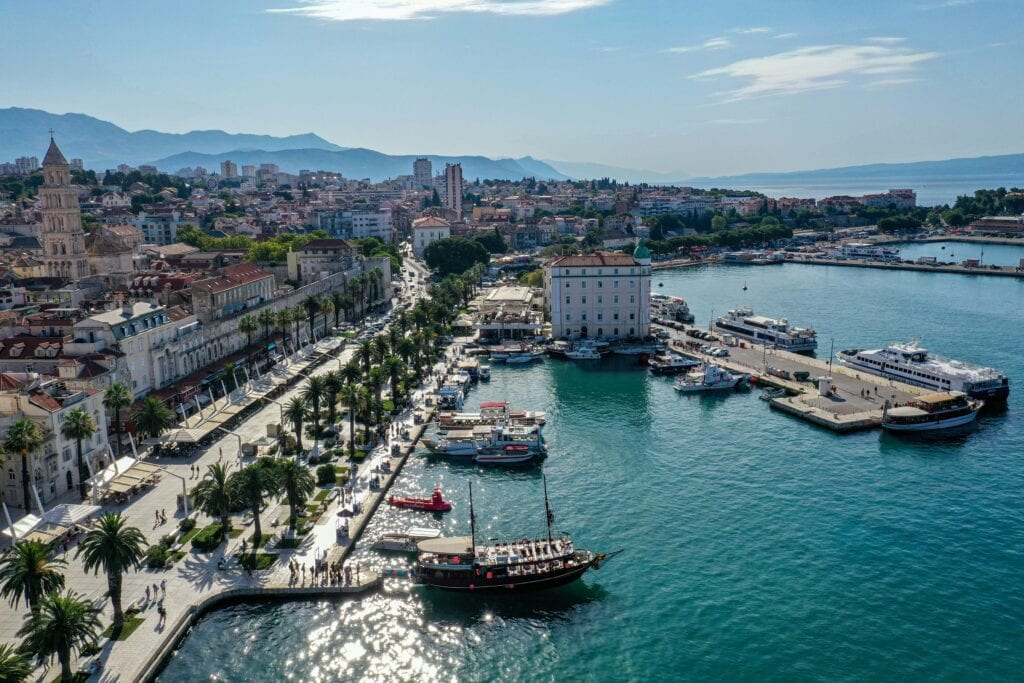
If you are planning a trip and wondering what to do in Split, Croatia, this guide gives you clear, practical ideas for your visit. You will find a city that blends ancient history with daily coastal life. Walk through Roman ruins, relax by the sea, and enjoy fresh local food in one compact place.
You can explore Diocletian’s Palace, stroll the Riva waterfront, climb Marjan Hill for city views, and take easy boat trips to nearby islands. You also get time to enjoy beaches, small squares, and local markets without rushing. Most top sights sit close together, so you spend more time exploring and less time moving around.
Split works well for history lovers, beach fans, and active travelers. You can keep plans simple or add day trips and outdoor activities. The city stays lively from morning walks to evening meals by the sea.
Key Takeaways
- See major sights and daily life in one walkable city.
- Mix history, sea views, and local food with ease.
- Add islands and outdoor trips without complex planning.
Essential Split Landmarks and Historical Sights
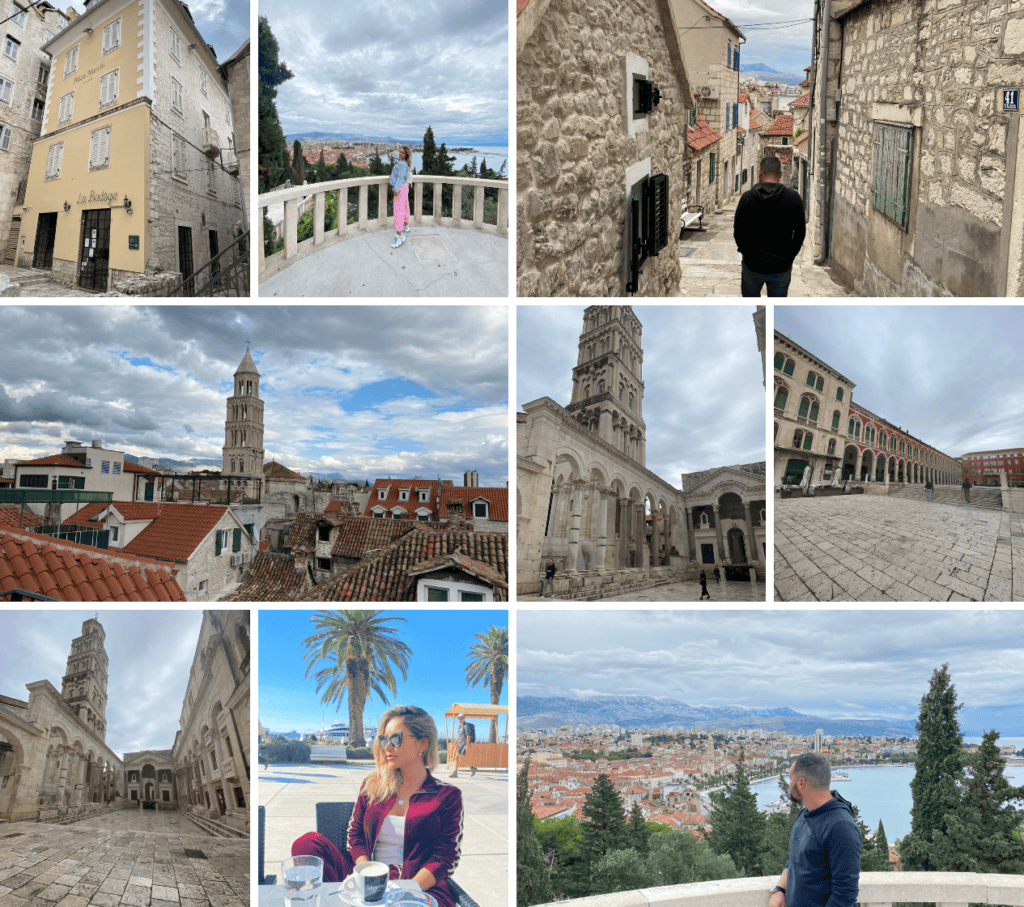
Split centers on Roman foundations, medieval streets, and active public squares. You can see major landmarks within a small area, mostly inside Split Old Town and the walls of Diocletian’s Palace.
Diocletian’s Palace Highlights
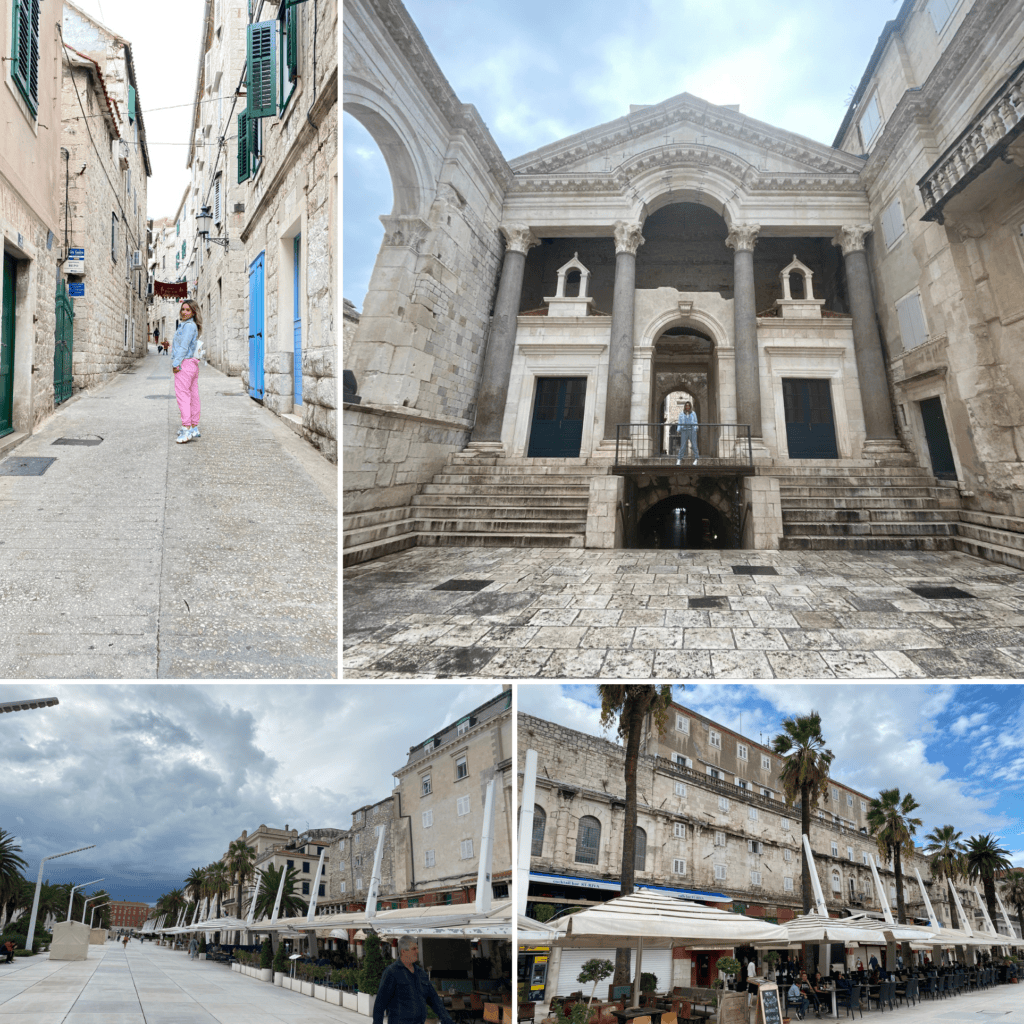
You explore the core of Split inside Diocletian’s Palace, a UNESCO World Heritage Site built in the 4th century for Roman Emperor Diocletian. The palace still functions as part of the city, with homes, shops, and cafés set among ancient stone walls.
You walk along former corridors that now serve as streets. Key spots include the underground cellars, the Vestibule, and small squares tucked between buildings. The layout shows clear Roman architecture, with straight lines and strong stone construction.
Do not miss narrow paths like Let Me Pass Street, one of the tightest streets in Split. These small details show how the palace adapted over time without losing its original structure.
St. Domnius Cathedral and Bell Tower
You find St. Domnius Cathedral at the heart of the palace, built from Diocletian’s former mausoleum. This makes it one of the oldest active cathedrals in the world. Inside, you see stone columns, carved reliefs, and a calm interior shaped by centuries of use.
You can climb the bell tower for wide views over Split, the harbor, and nearby islands. The climb includes steep steps and narrow sections, but the route stays well maintained.
This site connects Roman, medieval, and modern Split in one place. You also access the baptistery, once the Temple of Jupiter, just steps away.
Old Town Exploration
You step beyond the palace walls to explore Split Old Town, which grew during the Middle Ages. The area includes neighborhoods like Veli Varoš and streets that lead to local squares and markets.
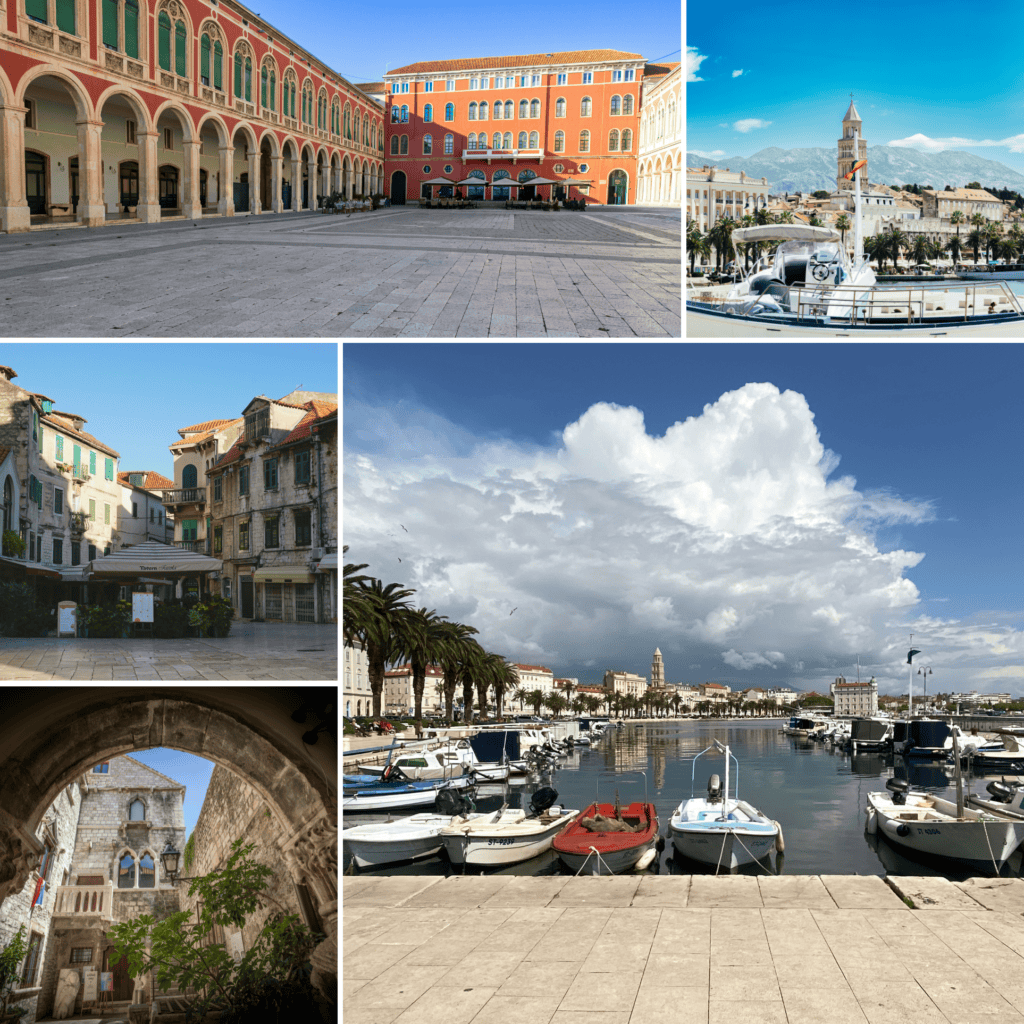
You pass Fruit Square and Republic Square, both active meeting spots with cafés and historic buildings. Small museums, such as the Split City Museum, add context without taking much time.
The old town remains compact and walkable. You move easily between Roman ruins, Gothic facades, and daily life, often within the same block.
Golden Gate & Peristyle Square
You enter the palace through the Golden Gate, once the main northern entrance. This gate linked the palace to ancient Salona and still feels formal and solid today.
Inside, you reach Peristyle Square (also called Peristil), the palace’s main courtyard. Tall columns frame the space, and the stone floor opens toward the cathedral and bell tower.
You often see people sitting on the steps or passing through on foot. The square still works as a public space, much like it did in Roman times.
Waterfront Strolls, Beaches, and Panoramic Views
Split places daily life along the Adriatic Sea. You can walk the waterfront, swim at local beaches, and reach high viewpoints within minutes of the old town.
Riva Promenade Lifestyle
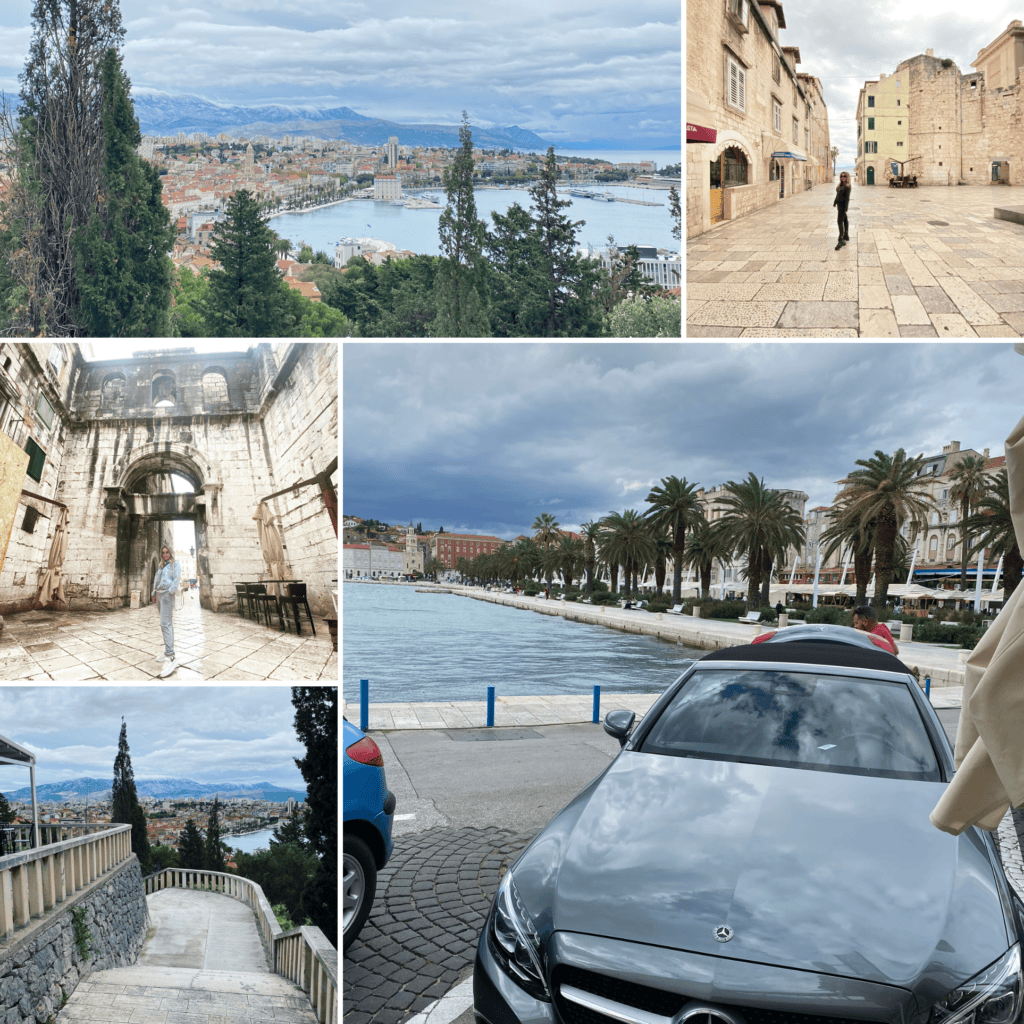
You experience Split’s rhythm on the Riva promenade, a wide walkway along the harbor. Palm trees line the path, and cafés face the water. You can stop for coffee, watch ferries arrive, or sit on a bench and follow the flow of people.
The Riva connects directly to the old town. You can move between historic streets and the sea in seconds. In the evening, locals gather for slow walks and drinks.
What to know
- Best time: late afternoon to sunset
- Views: harbor, islands, and the Adriatic Sea
- Cost: free, public space
Local Beaches and Sunbathing
Split offers several beaches close to the center. Bačvice Beach sits east of the port and has shallow water and sand. You can swim easily and relax without long travel. It also stays lively most of the day.
For clearer water and a quieter setting, head west. Kašjuni Beach sits below Marjan Hill and feels more open. Mistral Beach offers lounge chairs and a beach bar.
Popular beaches in Split
- Bačvice: sandy, social, central
- Kašjuni: scenic, calm, pebble shore
- Mistral: organized, modern, easy access
Marjan Hill & Vidilica Viewpoints
Marjan Hill rises above the city and gives you the best panoramic views. You can reach it on foot from the old town using stone stairs. The climb feels steady but manageable.
At the Vidilica viewpoint, you see red rooftops, the harbor, and islands along the Dalmatian Coast. Trees and paths create shade and quiet away from traffic.
You can continue deeper into the park. Trails lead to small beaches, chapels, and rest areas.
Tips
- Go early morning or late afternoon
- Bring water and good shoes
Picigin & Outdoor Recreation
You often see locals playing picigin at Bačvice. This traditional game uses a small ball and takes place in shallow water. Players keep the ball from touching the sea using quick, soft hits.
You can also swim, kayak, or paddleboard along the coast. Calm conditions make these activities easy for beginners. Many rental spots sit near beaches and the harbor.
Outdoor life stays active year-round. You can join in or simply watch from the shore.
Island-Hopping and Day Trips from Split
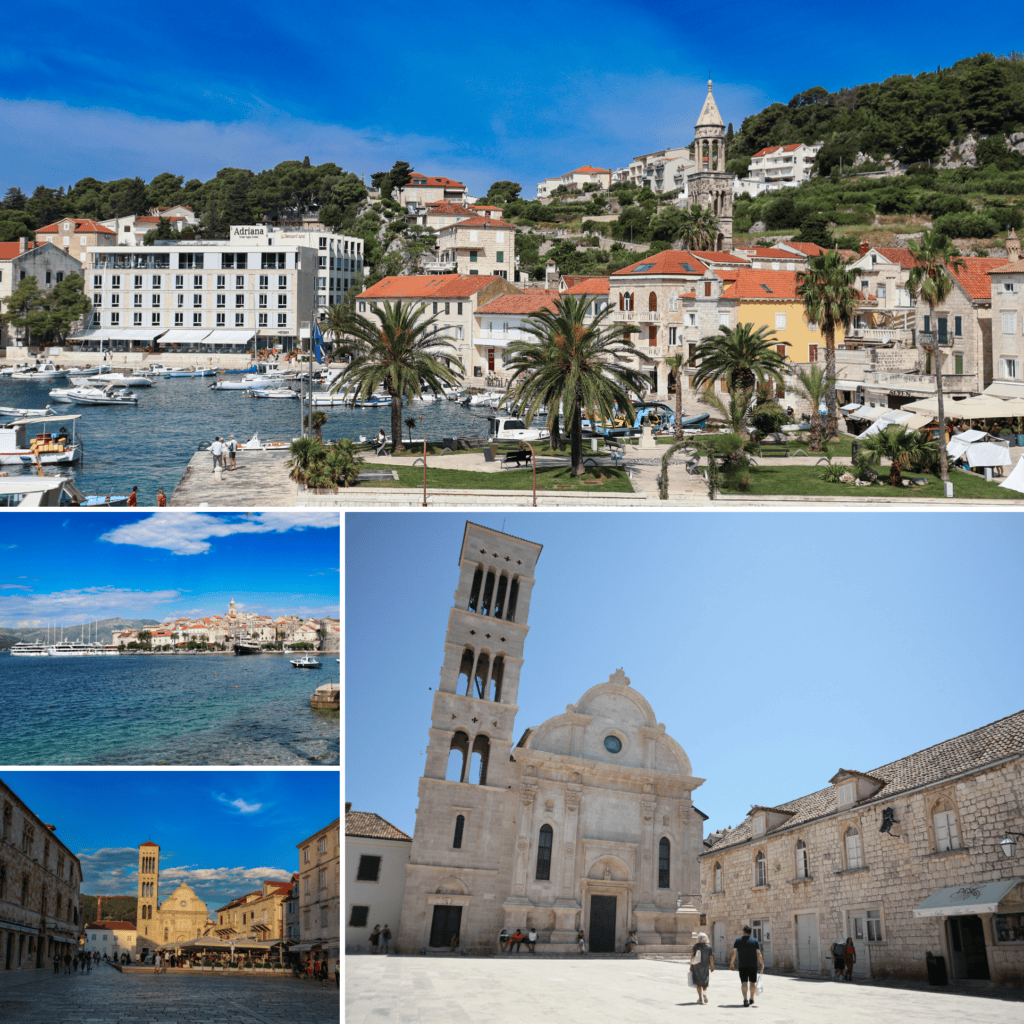
Split sits in the center of Dalmatia, which makes nearby islands and famous parks easy to reach. You can visit lively towns, quiet beaches, sea caves, and major natural sites in one long day.
Hvar Island Adventure
Hvar Island ranks as one of the most popular day trips from Split. Fast boats reach Hvar Town in about one hour, giving you time to explore stone streets, cafes, and the main square.
Walk up to the Spanish Fortress for clear views over the harbor and the Pakleni Islands. Boats often stop there for swimming and snorkeling in calm coves.
In summer, you may see lavender fields outside town, especially if you rent a scooter. Hvar blends history, beaches, and dining in a small area, so you can see a lot without rushing.
Vis Island and Blue Cave
Vis Island feels quieter and less developed than Hvar. It sits farther from the coast, so tours start early and focus on a few key stops.
The main highlight is the Blue Cave on nearby Biševo. Sunlight enters the cave at certain hours and turns the water bright blue. Small boats handle entry, and swimming may depend on sea conditions.
Many trips also visit Komiža village and hidden beaches around Vis. You get more time on the water here, which suits travelers who prefer nature over nightlife.
Brac and Zlatni Rat Beach
Brač lies close to Split and works well for a relaxed beach-focused day. Ferries and boat tours reach the island quickly, leaving more time to explore.
Most visits center on Zlatni Rat Beach, a long pebble spit near Bol. Its shape shifts with wind and waves, and clear water makes swimming easy.
You can walk, rent bikes, or sit at nearby cafes between swims. Brač also offers small towns and coastal paths if you want a quieter break from the beach.
Trogir, Krka, and Plitvice Excursions
Not all great trips involve boats. Trogir sits just west of Split and features a compact old town with Romanesque and Gothic buildings. You can explore it in a few hours.
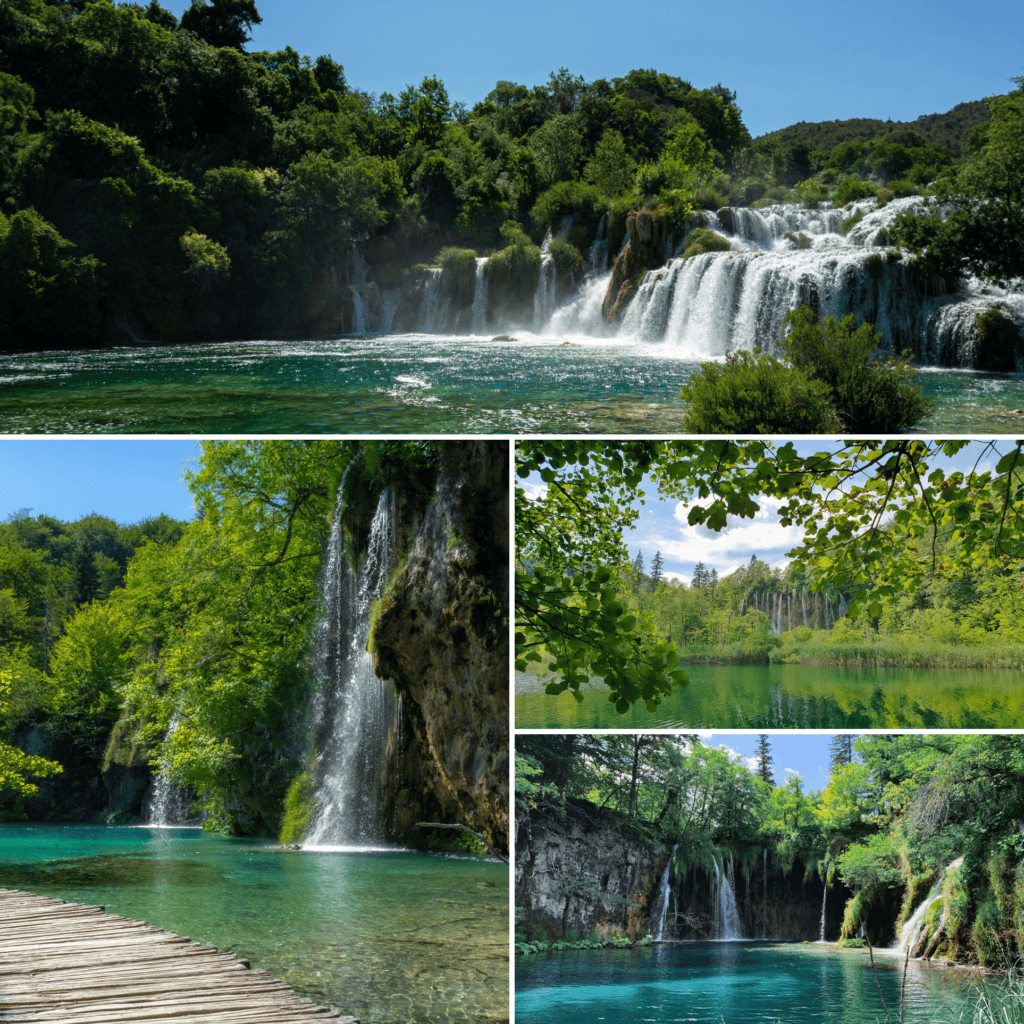
Krka National Park draws visitors to the Krka waterfalls, wooden walkways, and river views. It works well as a half- or full-day trip.
For a longer outing, Plitvice Lakes National Park offers lakes, waterfalls, and forest trails. Tours handle transport, which helps since the park sits several hours inland.
Cultural Experiences and Local Cuisine
You can connect with Split through its museums, everyday food culture, and local drinks. The city blends Croatian art with Dalmatian cuisine, using simple ingredients, local seafood, and long-held traditions.
Museums & Croatian Art
You can explore Split’s history through small but focused museums. Split City Museum sits inside a Gothic palace near Diocletian’s Palace and shows daily life through maps, furniture, and documents. It works well as a short visit between walks.
The Archaeological Museum holds artifacts from Roman Salona, including stone reliefs and coins. It helps you understand the region before and after Roman rule.
For Croatian art, visit the Meštrović Gallery. It displays work by Ivan Meštrović, a major Croatian sculptor. His stone and bronze figures focus on people, faith, and national identity. The quiet setting adds to the experience.
Dining & Dalmatian Cuisine
Dalmatian cuisine relies on fresh seafood, olive oil, herbs, and slow cooking. You see this style clearly at Pazar Market, where locals buy fish, vegetables, and cheese each morning. Walking through the stalls shows how Croatian food starts at the source.
For a sit-down meal, try a small restaurant like Villa Spiza. It serves seasonal dishes made with local ingredients. Menus often change based on the daily catch.
Common dishes include grilled fish, black risotto, and beef stews. Meals feel simple but precise, with a strong focus on quality ingredients rather than heavy sauces.
Wine Bars & Olive Oil Tasting
You can sample Croatian wines at small wine bars across the old town. A Zinfandel wine bar often highlights the local grape Crljenak, which links to Zinfandel’s origins. Tastings usually include reds from Dalmatia and whites from nearby islands.
Olive oil also plays a central role. At places like Uje Oil, you can taste oils made from regional olives. Staff often explain flavor differences and food pairings.
These tastings help you understand how wine and olive oil shape everyday meals in Split.
Active Adventures and Unique Experiences
Split gives you hands-on ways to explore the sea, hills, and historic streets. You can move at your own pace while seeing places that standard Split sightseeing often misses.
Sea Kayaking & Paddleboarding
Sea kayaking lets you follow the coastline around the old town and Marjan Hill. You paddle past stone walls, small beaches, and clear swimming spots that stay quiet in the early morning or late afternoon. Many routes start near the city center, so you do not need a long transfer.
Stand-up paddleboarding works well if you want a calmer pace. Night tours use boards with soft LED lights, which help you see the water below. Guides often include short swim stops and basic safety tips.
What to expect
- Short safety briefing
- Calm coastal routes
- Stops for photos and swimming
Hiking and Biking in Split
Hiking on Marjan Hill gives you wide views over the city and nearby islands. Well-marked paths lead to lookout points, small chapels, and shaded pine forests. You can start from Veli Varoš, which sits right below the hill and feels more local than the old town.
Biking offers a faster way to cover the area. Flat routes work well along the coast, while steeper trails suit experienced riders. You can rent bikes near the center and plan a half-day loop.
Popular options
- Marjan viewpoints
- Forest walking paths
- Coastal bike routes
Game of Thrones Filming Locations
Several Game of Thrones filming locations sit inside Diocletian’s Palace. You walk through cellars and narrow streets used as scenes from Meereen. Signs and guides point out exact spots, which helps you match scenes to real places.
A guided walking tour works best if you want clear context. Guides explain how filming shaped access and timing, and they mix in local history. Many Split walking tours also include nearby streets outside the palace.
Key sites
- Palace basements
- Old town alleys
- Small exterior courtyards

Planning Your Visit: Practical Tips for Split
You can plan a smooth Croatia trip with a few clear choices. Transport links, seasonal timing, and simple local travel shape how much you see and how easy your days feel in Split Croatia.
How to Get to Split
You can reach Split by air, sea, or land. Split Airport (SPU) serves many European cities, with more flights from May to October. From the airport, you can take a shuttle bus, taxi, or rideshare to the city center. The ride takes about 30 minutes.
You can also arrive by ferry. Ferries connect Split to islands like Hvar and Brač, and to cities such as Dubrovnik and Ancona. The ferry port sits next to the Old Town, which makes arrival simple.
Trains and buses connect Split with Zagreb and other cities. Buses run often and cost less. Trains move slower but offer scenic views.
Best Time to Visit Split
The best time to visit Split depends on your goals. May, June, and September offer warm weather, fewer crowds, and lower prices. You can swim, explore historic sites, and enjoy outdoor dining with ease.
July and August bring hot days and busy streets. Beaches and ferries fill up fast, and prices rise. You should book hotels and tours early if you visit in summer.
April and October feel quieter and cooler. Some boat tours reduce schedules, but museums and walking routes stay open. Winter brings mild weather and local life, though many tourist services close.
Navigating the City
You can explore most of Split on foot. The Old Town, Diocletian’s Palace, and the Riva sit close together. Wear sturdy shoes since stone streets can feel slick.
For longer trips, you can use local buses. They run often and cover beaches, Marjan Hill, and nearby areas. You can buy tickets at kiosks or on board with cash.
Taxis and rideshare apps work well and cost less than in many European cities. You can also rent a scooter or bike for short trips. This split travel guide approach keeps your days flexible and simple.
Frequently Asked Questions
Split blends Roman history, coastal scenery, and everyday city life. You can explore ancient landmarks, enjoy outdoor activities, and find simple options that fit different budgets and travel styles.
What are the top attractions to visit in Split?
Start with Diocletian’s Palace, which forms the core of the old town. Then you can walk through its streets, squares, and cellars in one visit.
You should also see the Riva promenade for waterfront views and cafés. A walk up Marjan Hill gives you clear views over the city and nearby islands.
Which activities are recommended for families with children in Split?
You can spend time at Bačvice Beach, which has shallow water and a sandy shore. It works well for younger children.
You may also visit Marjan Forest Park for easy walks and playground areas. Boat trips to nearby islands offer calm rides and short travel times.
Where can I find unique, off-the-beaten-path experiences in Split?
You can explore the quieter streets east of the palace, such as Varoš, a traditional neighborhood with stone houses. These areas feel more local and less crowded.
You may also visit small beaches like Kašjuni or Bene. They sit outside the busy center and attract fewer visitors.
What are the best activities for young adults to enjoy in Split?
You can join island-hopping tours to Hvar, Brač, or the Blue Cave. These trips combine swimming, boating, and social time.
In the evening, you can enjoy bars along the Riva or inside the old town. Many places stay open late during the warmer months.
Can you suggest free activities to do in Split?
You can walk through Diocletian’s Palace without paying an entry fee. The streets, squares, and outer walls stay open all day.
You can also hike or walk around Marjan Hill for free. The viewpoints and trails offer wide views of the sea and city.
What must-see historical sites are there in Split’s old town?
You should visit St. Domnius Cathedral, one of the oldest active cathedrals in the world. Its bell tower stands over the central square.
You should also see Peristil Square and the palace basements. These sites show how Roman structures still shape daily life in Split.
You Might Also Like:
If you enjoyed this post on What to Do in Split, Croatia: A Complete Guide, you might also like: Croatia’s Hidden Treasures: A Guide To The Most Amazing Places, Croatia in Real Life: Amazing Views and Vibes, Ultimate Guide to The Safest Places in Europe