

Bali offers warm weather, rich culture, and easy travel for first-time visitors. You get beaches, temples, rice fields, and lively towns in one small island. This Bali travel guide helps first-time visitors understand when to go, where to stay, what to expect, and how to travel respectfully so planning feels simple and stress-free.
You’ll learn how the seasons affect your plans, how to dress for temples, and how to get around the island without unnecessary hassle. Practical tips help you respect local customs, stay safe, and avoid common travel mistakes.
You’ll also discover what daily life in Bali feels like, from local food and quiet villages to busy beach areas. Clear planning advice helps you choose the right area and set realistic expectations, so you can enjoy Bali without confusion or wasted time.
Key Takeaways
- Bali is easy to visit and offers diverse experiences in a small area
- Timing, etiquette, and planning choices shape your trip
- Smart basics help you avoid stress and enjoy daily travel

Bali at a Glance
Bali blends varied landscapes, deep spiritual life, and daily traditions that shape how you travel and behave. You benefit most when you understand the island’s layout, its Hindu roots, and the customs tied to local hospitality.
Island Overview
Bali is a small Indonesian island between Java and Lombok. People often call it the Island of the Gods because temples sit in towns, fields, and cliffs. You can reach beaches, rice terraces, and volcanoes within a few hours by car.
Travel planning matters because traffic slows trips more than distance suggests. Stay close to the places you plan to visit most.
Best time to visit Bali
| Season | Months | What to expect |
|---|---|---|
| Dry | April–October | Sunny days, lower humidity |
| Wet | November–March | Short heavy rain, fewer crowds |
First-time visitors often underestimate travel time. Avoid packing too many areas into one trip.
Unique Culture and Religion
Bali has a unique culture shaped by Hinduism, unlike most of Indonesia. You see daily offerings placed outside homes, shops, and temples. Ceremonies happen often and may affect traffic or opening hours.
You should dress with respect near temples. Cover your shoulders and knees, and wear a sarong when required. Avoid stepping on offerings placed on the ground.
Learning a few polite habits helps. Use your right hand when giving or receiving items. Do not touch someone’s head, even a child’s. Common mistakes include ignoring temple rules or walking into ceremonies for photos.
Religion influences daily life, not just festivals, so patience and awareness matter.
Hospitality and Local Customs
Balinese hospitality feels calm and respectful. People often greet you with a smile and soft tone. You receive better service when you stay polite and patient.
Simple customs help you connect:
- Greet people before asking for help
- Speak calmly, even during problems
- Thank staff and drivers directly
Tipping is not required but appreciated for good service. Small amounts feel appropriate.
You should avoid public anger or loud arguments. Locals value harmony and indirect communication. When you respect these customs, daily interactions feel smoother and more welcoming.
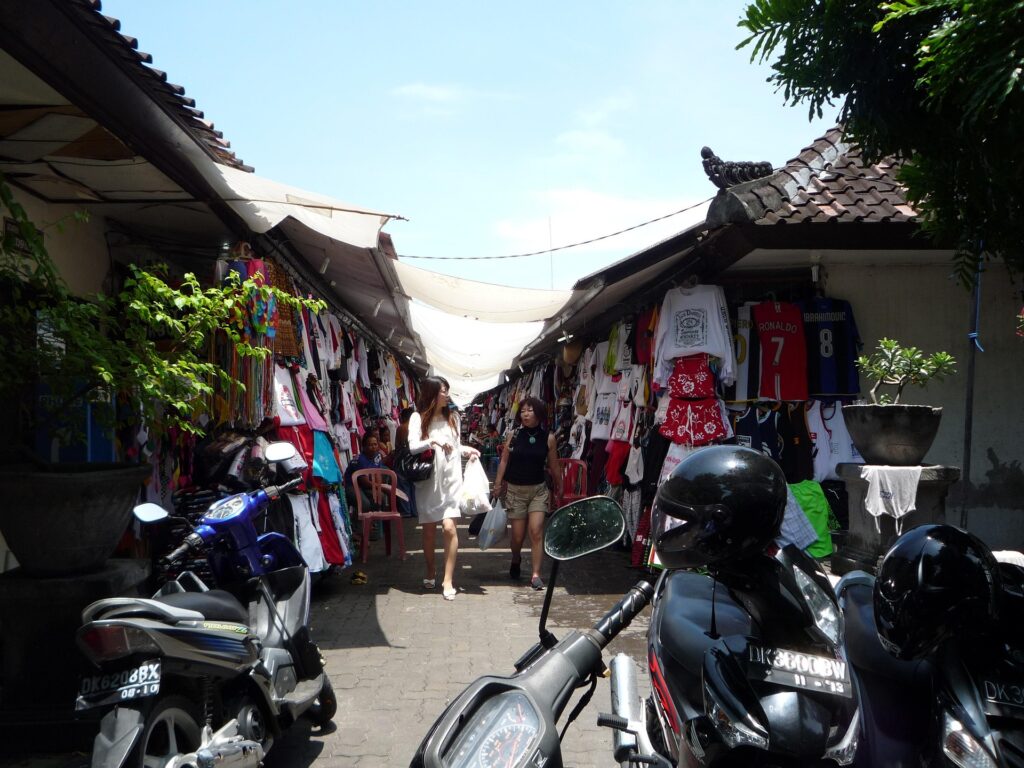
Travel Essentials and Practical Information
This section covers entry rules, daily safety, local customs, and how you move around the island. These details help you plan your Bali travel with fewer delays, lower costs, and fewer mistakes.
Visa, Entry Requirements, and Bali Tourist Tax
You arrive through Ngurah Rai International Airport (DPS) in Denpasar. Your passport must stay valid for at least six months from your arrival date.
Many travelers qualify for a Visa on Arrival, which allows a short stay and an optional extension. Rules change, so check current Visa on Arrival rules for Bali before you book flights.
Indonesia requires a digital customs form that you complete online before landing. This step speeds up airport processing.
Bali also charges a tourist tax for foreign visitors. You pay it online or on arrival. Keep the receipt, since officials may ask for proof.
For timing and weather basics, review Bali travel planning basics before finalizing dates.
Health, Safety, and Local Etiquette
Pack travel insurance that covers medical care and motorbike accidents. Clinics and hospitals exist across the island, but private care costs more.
Bring sunscreen, insect repellent, and a reusable water bottle. Heat and humidity cause dehydration faster than many visitors expect.
Bali is safe, but petty theft happens. Use hotel safes and avoid leaving phones on café tables.
Respect local customs, especially at temples:
- Wear clothing that covers shoulders and knees
- Remove shoes when required
- Never step on offerings placed on sidewalks
Common mistakes include ignoring dress codes and touching people’s heads, which locals consider rude.
Getting Around the Island
Traffic in Bali gets heavy, especially in the south and near sunset. Short distances can take a long time.
You have several transport options:
| Option | Best For | Notes |
|---|---|---|
| Scooter rental | Short trips | Wear a helmet and carry a license |
| Private driver | Day trips | Fixed price, low stress |
| Ride apps | Cities | Grab works in many areas |
Ride-hailing apps cost less than taxis, but coverage varies by location. For realistic expectations, review transport and traffic tips in Bali before you plan daily routes.
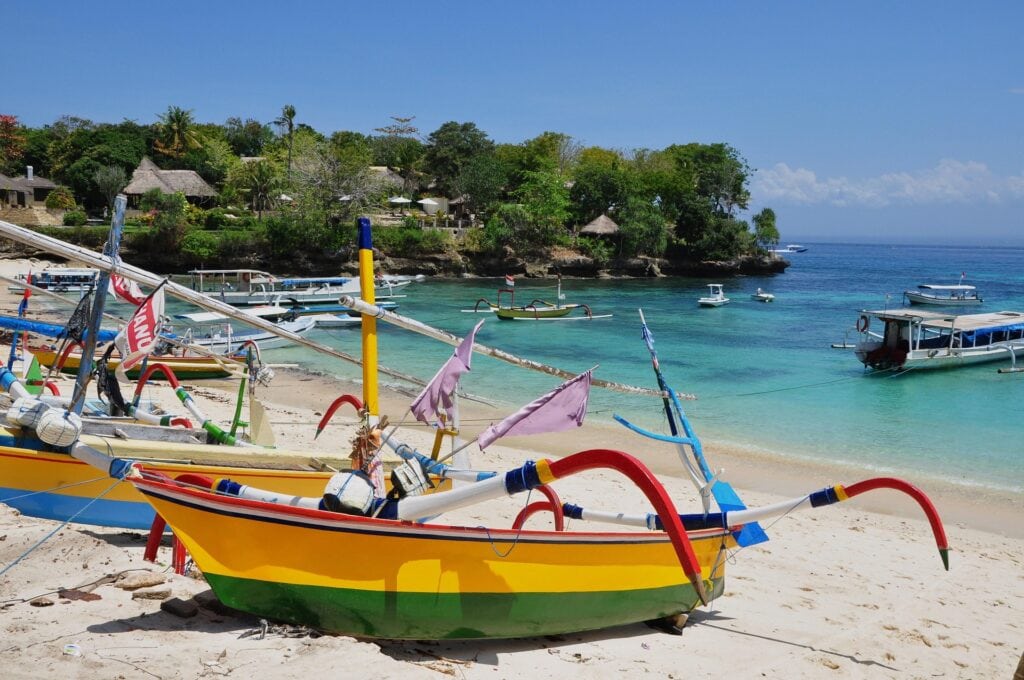
Best Time to Visit Bali and Weather
You plan your trip best when you match weather, crowds, and events to your goals. Bali has a tropical climate with clear wet and dry seasons, plus set festival dates that affect prices and access.
Seasons and Tropical Climate
Bali stays warm all year, with average daytime highs near 80–86°F (27–30°C). Humidity stays high, so light clothing helps.
Dry season (April–October) brings sunny days and low rain. Many travelers consider this the best time to visit Bali for beaches, hiking, and diving. July and August feel busiest and cost more.
Rainy season (November–March) brings short, heavy showers, often in the afternoon. Landscapes turn bright green, and prices drop. Mornings still work for sightseeing.
| Season | Months | What to Expect |
|---|---|---|
| Dry | Apr–Oct | Clear skies, higher prices |
| Rainy | Nov–Mar | Fewer crowds, brief storms |
For a month-by-month view of conditions, check this Bali weather by month guide.
Festivals and Events
Balinese culture shapes the calendar. Major events can limit travel but add meaning to your visit.
Nyepi, the Day of Silence, falls in March. Airports close, streets empty, and you stay indoors for 24 hours. Plan food and lodging ahead.
The Bali Arts Festival runs from June to July. You see daily performances, parades, and crafts across Denpasar.
Temple ceremonies happen year-round and vary by village. Dress modestly and follow local rules. For timing and crowd levels, this month-by-month Bali guide helps you plan around events.
Travel Planning Tips
Book flights and hotels early for July, August, and late December. Prices rise fast during school holidays.
Pack for heat and rain. Bring breathable clothes, reef-safe sunscreen, and a light rain jacket. You will walk a lot.
Respect cultural etiquette. Wear a sarong at temples, avoid pointing feet at shrines, and don’t touch heads.
Avoid common mistakes. Don’t plan tight schedules during rainy months. Don’t drive scooters without experience. Check local ceremonies that may close roads.
If you want fewer crowds with good weather, aim for April, May, or September. This best time to visit Bali overview explains the trade-offs clearly.
Where to Stay in Bali
Where you stay shapes your daily travel time, budget, and activities. Bali’s regions differ in pace, beach access, and crowd levels, so choosing the right area helps you avoid long drives and mismatched plans.
Top Regions and Atmospheres
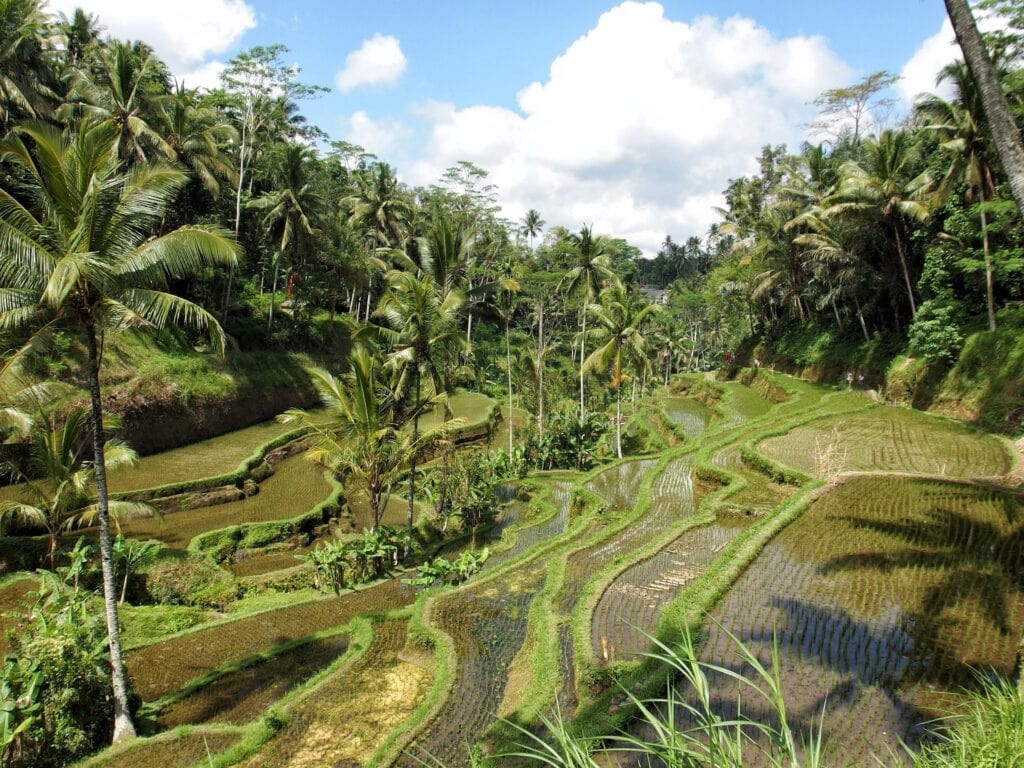
Bali offers clear regional styles, which makes where to stay in Bali easier when you know your priorities. Ubud sits inland and focuses on culture, temples, rice fields, and wellness. It suits slower trips and early mornings.
Beach towns vary by mood. Kuta and Legian feel busy and budget-focused, with surfing and nightlife. Seminyak adds upscale dining, beach clubs, and higher-end hotels. Canggu feels casual and trendy, with cafes, coworking spaces, and surf beaches.
For quieter stays, Sanur offers calm beaches and easy walks. Nusa Dua centers on gated resorts and clean beaches, including luxury properties like The St. Regis Bali Resort. Uluwatu sits on cliffs with ocean views and surf breaks. For a regional overview, see this detailed guide to Bali areas and neighborhoods.
Choosing the Right Area
Match your base to your daily plans to save time and stress. Traffic can slow travel, especially in the south. Staying close to your main activities matters more than hotel quality.
Use this quick guide:
| Your Priority | Best Areas |
|---|---|
| Culture and temples | Ubud |
| Surfing and nightlife | Kuta, Legian, Canggu |
| Dining and shopping | Seminyak |
| Relaxed beaches | Sanur |
| Resort-style stays | Nusa Dua |
| Scenic views and surf | Uluwatu |
First-time visitors often split stays between Ubud and the coast. Plan stays around sunrise activities, beach time, or spa visits. Avoid moving hotels too often. For more comparisons, this Bali area guide for different travel styles breaks down strengths and trade-offs.
Accommodation Types and General Recommendations
Bali offers homestays, guesthouses, villas, and large resorts. Homestays and guesthouses work well for short stays and local contact. Private villas suit longer trips, groups, or quiet days. Large resorts in Nusa Dua, including the St. Regis Bali Resort, focus on privacy and on-site dining.
Book early during July–August and late December. April to June and September offer better value and lighter crowds. Dress modestly near temples and residential areas. Expect cash use in small towns.
Common mistakes include underestimating travel time and staying far from daily plans. This 2025 guide to Bali’s best areas helps align lodging with real travel needs.
Top Things to Do and Places to Visit
Bali offers clear highlights that shape most trips. You spend time outdoors, visit active temples, relax on beaches, and try activities that fit your comfort level. The places below help you plan your days with fewer mistakes and better timing.
Natural Wonders and Outdoor Activities
Bali’s landscapes define many of the top things to do in Bali. You can hike Mount Batur before sunrise for wide views over the caldera and lake. Start early and bring a light jacket because mornings feel cold.
Waterfalls in Bali sit across the island, especially near Ubud and the north. Tegenungan Waterfall stays easy to reach and works well for first-time visitors. Visit early to avoid crowds and slippery steps.
Rice terraces like Jatiluwih and Tegallalang show how farming shapes daily life. Wear sturdy shoes and carry cash for small entry fees. Avoid climbing walls or fields, which locals consider disrespectful.
Cultural Landmarks and Temples
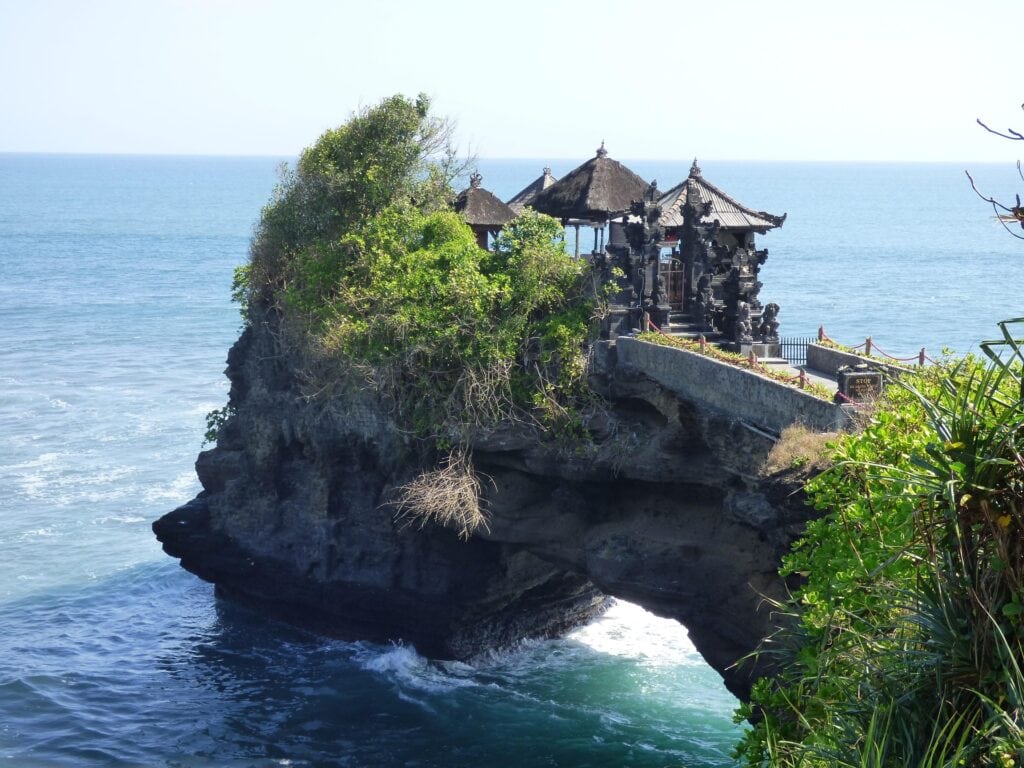
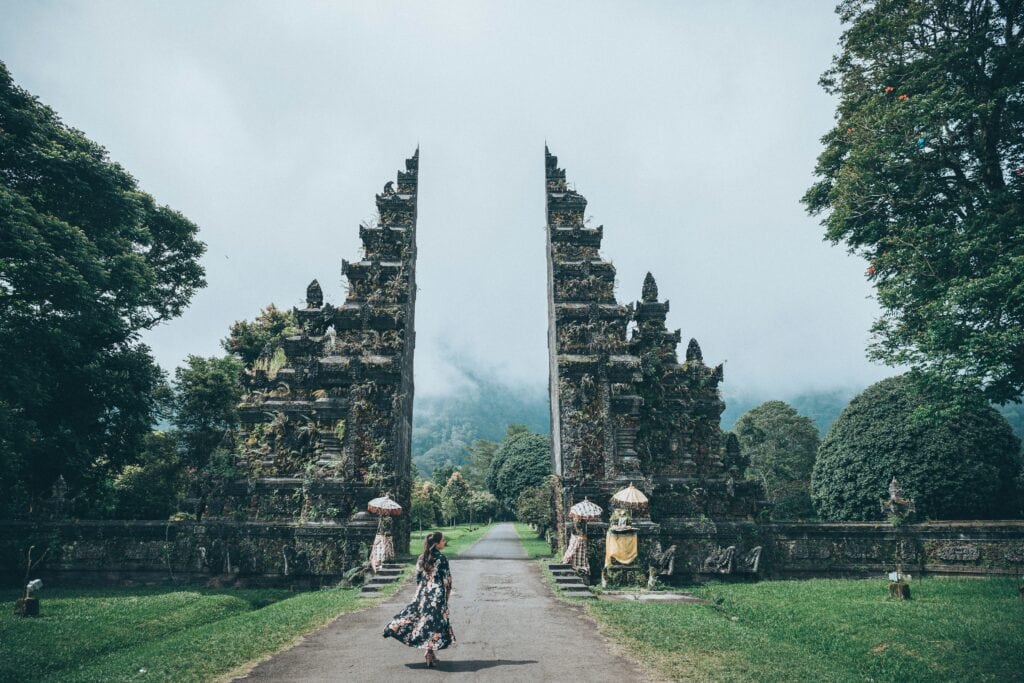
Temples anchor Balinese culture and daily rituals. Tanah Lot Temple stands on a rocky outcrop and works best near sunset, but high tide limits access. Check tide times to avoid disappointment.
Uluwatu Temple sits on cliffs above the sea. You should secure loose items because monkeys often grab sunglasses and hats. Sarongs are required and usually provided at the entrance.
In Ubud, the Ubud Monkey Forest combines nature and culture. Keep bags zipped and do not touch the animals. Respect signs and follow staff advice.
Learn basic etiquette before visiting temples. Cover shoulders and knees, stay quiet during ceremonies, and never step on offerings placed on sidewalks.
Scenic Beaches and Island-Hopping
Southern Bali holds many of the best beaches in Bali. Kuta Beach suits casual walks and sunsets, but strong waves make swimming risky at times. Pay attention to flag warnings.
For quieter coastlines, head offshore. Nusa Penida offers dramatic cliffs and clear water. Highlights include Kelingking Beach and Broken Beach, both best seen with good footwear and plenty of water. Roads remain rough, so plan short days.
Nearby islands like Nusa Lembongan and the Gili Islands feel slower and smaller. Boats run daily, but seas turn rough in the afternoon. Morning crossings reduce motion sickness and delays.
Adventure and Unique Experiences
Bali supports active travelers without requiring extreme skills. Surfing, snorkeling, and short hikes fit well into most schedules. Choose locations that match your experience level rather than chasing famous spots.
Cliff viewpoints, volcano hikes, and waterfall swims reward early starts. Traffic builds fast after 9 a.m., which many first-time visitors underestimate. Staying near your main activities saves time and stress.
Avoid common mistakes like packing tight schedules or ignoring local rules. Plan rest days, drink bottled water, and carry small bills. Simple choices improve safety and help you enjoy Bali’s variety without rushing.
Food, Dining, and Nightlife
You will find strong local flavors, simple dining customs, and busy nightlife areas across Bali. Meals range from street food to fine dining, and evenings often move from sunset drinks to late nights near the beach.
Traditional Balinese Dishes
You should try babi guling, a slow-roasted pork dish served with rice, vegetables, and spicy sambal. Locals often eat it at lunch, since many stalls sell out by afternoon.
Other common meals include nasi goreng and mie goreng. Both are fried dishes with egg, vegetables, and meat or tofu. You will also see satay skewers grilled over charcoal and served with peanut sauce.
For lighter options, try gado-gado, a mix of boiled vegetables with peanut sauce. Many first-time visitors use a detailed Balinese food guide to learn dish names and spice levels.
Planning tip: ask for “tidak pedas” if you want less heat. Spice levels vary by region and cook.
Best Restaurants and Warungs
You can eat well at both high-end spots and small family-run warungs. Warungs serve local food at low prices and move fast during lunch hours.
What to know before you go:
- Bring cash for warungs.
- Expect limited menus but fresh food.
- Eat earlier in the day for popular dishes.
Many restaurants in Bali focus on local ingredients but adjust flavors for visitors. Areas like Ubud, Seminyak, and Canggu offer the widest choice. For location-based dining ideas, guides such as the Time Out Bali dining listings help you match food styles with neighborhoods.
Cultural note: wait until everyone is served before eating when you dine with locals.
Bars, Beach Clubs, and Nightlife
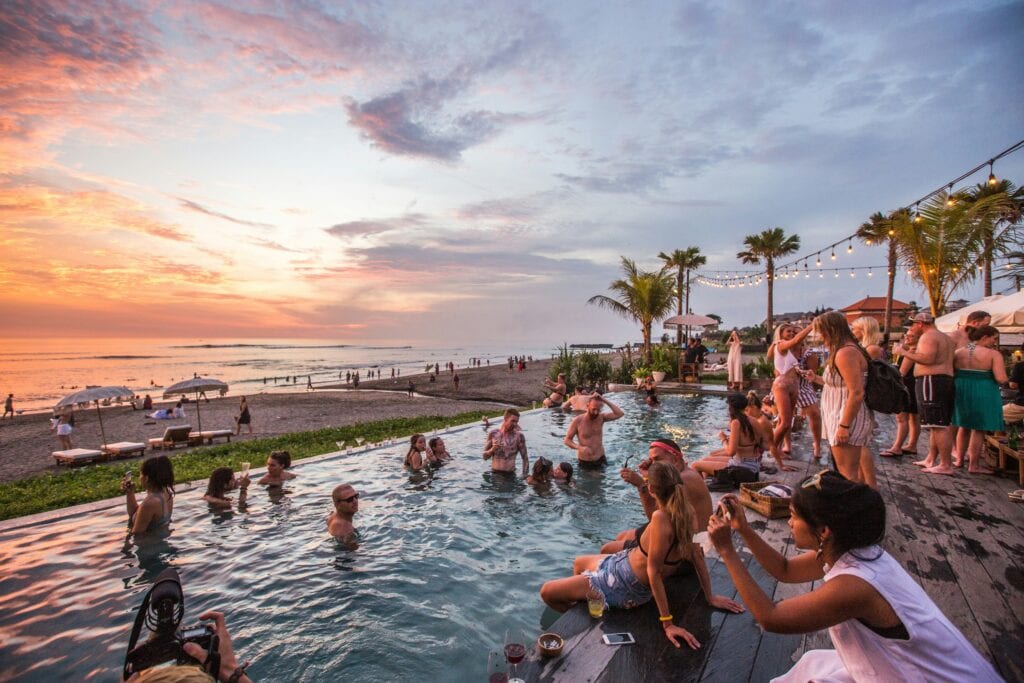
You will find nightlife centered in Seminyak, Canggu, and Kuta. Beach clubs open in the afternoon and stay busy through sunset. Most serve food, cocktails, and non-alcoholic drinks.
Bars range from quiet lounges to loud dance venues. Dress codes stay casual, but clubs may refuse entry for swimwear at night.
Common mistakes to avoid:
- Driving after drinking; use taxis or ride apps.
- Staying out too late before early tours.
- Ignoring local noise rules in residential areas.
The best time to go out is Friday and Saturday night. During major holidays, expect larger crowds and higher prices.
Frequently Asked Questions
This section answers common planning questions about visas, weather, safety, transport, and cultural etiquette. It focuses on clear rules and practical choices you face when traveling in Bali.
What are the entry requirements for tourists visiting Bali?
You need a valid passport with at least six months remaining before expiration. Many travelers can enter with a Visa on Arrival, which allows a 30-day stay and one extension, based on current Bali visa rules for tourists.
You must also show proof of onward travel. Immigration rules change, so you should check official Indonesian updates before you fly.
How can I respect local customs and traditions while traveling in Bali?
You should dress modestly at temples by covering shoulders and knees. Many temples provide sarongs, but bringing your own helps.
You should avoid touching people’s heads and never point your feet at shrines. Learning basic etiquette before arrival helps you avoid common mistakes highlighted in Bali travel etiquette tips.
What are the must-see attractions for a first-time visitor to Bali?
You should visit Uluwatu Temple for cliffside views and sunset ceremonies. Ubud offers rice terraces, art markets, and temples in a compact area.
You may also want to see beaches in Seminyak or Nusa Dua. These places appear often in trusted Bali travel guides for first-time visitors.
What is the best time of year to visit Bali for good weather?
You will find the driest weather from April to October. July and August bring low rain but higher prices and crowds.
You can save money and still enjoy good weather in May, June, or September. These months balance sunshine and lighter tourism, as explained in Bali weather and travel season advice.
How do you navigate transportation options within Bali?
You can use ride-hailing apps like Grab and Gojek in many areas. They work well for short trips and reduce price disputes.
Scooters offer flexibility but increase risk if you lack experience. First-time visitors often rely on private drivers for longer days, a common tip in Bali transportation planning guides.
What safety tips should travelers be aware of when in Bali?
You should watch for petty theft in crowded areas and secure bags when riding scooters. Traffic accidents remain one of the biggest risks.
You should also drink bottled water and use licensed money changers. These basic precautions align with guidance found in Bali safety and health advice for tourists.
You Might Also Like:
If you enjoyed this post on Bali Travel Guide for First-Time Visitors: Everything You Need to Know, you might also like: Amazing Islands to Visit in Autumn, Rainforest Resorts: The Ultimate Escape, Ultimate Guide for Budget Travel to Hawaii