

Paris offers an unmatched mix of history, art, and everyday charm. The best way to experience the city is by balancing iconic landmarks like the Eiffel Tower and Louvre with quiet corners, gardens, and local streets. This approach lets travelers see both the highlights and the hidden details that make the city unforgettable.
From grand boulevards to tucked-away cafés, every part of Paris holds something worth exploring. Visitors can admire world-famous masterpieces, walk through centuries-old neighborhoods, or simply enjoy a picnic in a garden. The variety of experiences ensures that no two trips feel the same.
Those who plan their time well can see both the essentials and the less obvious treasures. Whether it’s climbing the Arc de Triomphe, wandering the Marais, or discovering a small museum, each stop adds to the full picture of Paris.
Key Takeaways
- Explore major landmarks alongside quieter spots
- Experience art, history, and culture in many forms
- Balance popular attractions with hidden gems
Must-See Landmarks and Iconic Attractions
Paris offers some of the most recognizable landmarks in the world, each with its own history and cultural importance. From Gothic cathedrals to grand boulevards and hilltop basilicas, these sites shape the character of the City of Light and remain central to any visit.
Eiffel Tower Experience
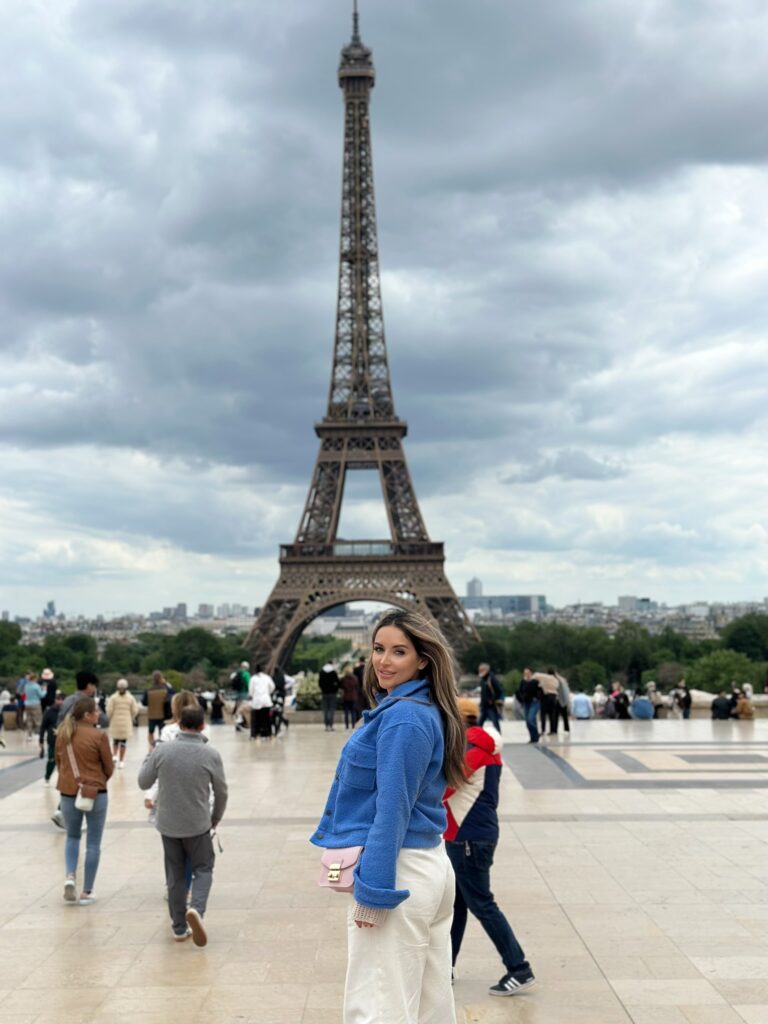
The Eiffel Tower stands as the most famous symbol of Paris. Built in 1889 for the World’s Fair, it rises 330 meters and offers sweeping views of the city from multiple observation decks.
Visitors can choose between elevators or climbing stairs to the second floor. At the top, the 360-degree panorama includes landmarks such as the Seine, Montmartre, and the Louvre.
Dining is another highlight. The second floor hosts the Michelin-starred Le Jules Verne, while the first floor features a brasserie with French classics. In the evening, the tower sparkles with lights every hour, a spectacle visible across the city.
Practical tips include booking tickets online ahead of time to avoid long lines. Many travelers also combine their visit with a stroll along the nearby Champ de Mars gardens.
Notre-Dame Cathedral and Île de la Cité
Notre-Dame Cathedral sits at the heart of Paris on the historic Île de la Cité. Construction began in 1163, and its Gothic architecture, flying buttresses, and stained-glass rose windows have made it one of the most admired cathedrals in Europe.
Although the 2019 fire damaged the roof and spire, restoration continues, and visitors can still view the exterior, towers, and surrounding square. The site remains a central stop for those exploring medieval Paris.
The island itself is worth exploring. Key spots include the Conciergerie, once a royal palace and prison, and Sainte-Chapelle, known for its remarkable stained-glass windows. Walking through Île de la Cité provides a sense of Paris’s origins and its role as a religious and political center.
Nearby cafés and bookstalls along the Seine add to the atmosphere, making it one of the best things to do in Paris for both history and culture.
Arc de Triomphe and Champs-Élysées
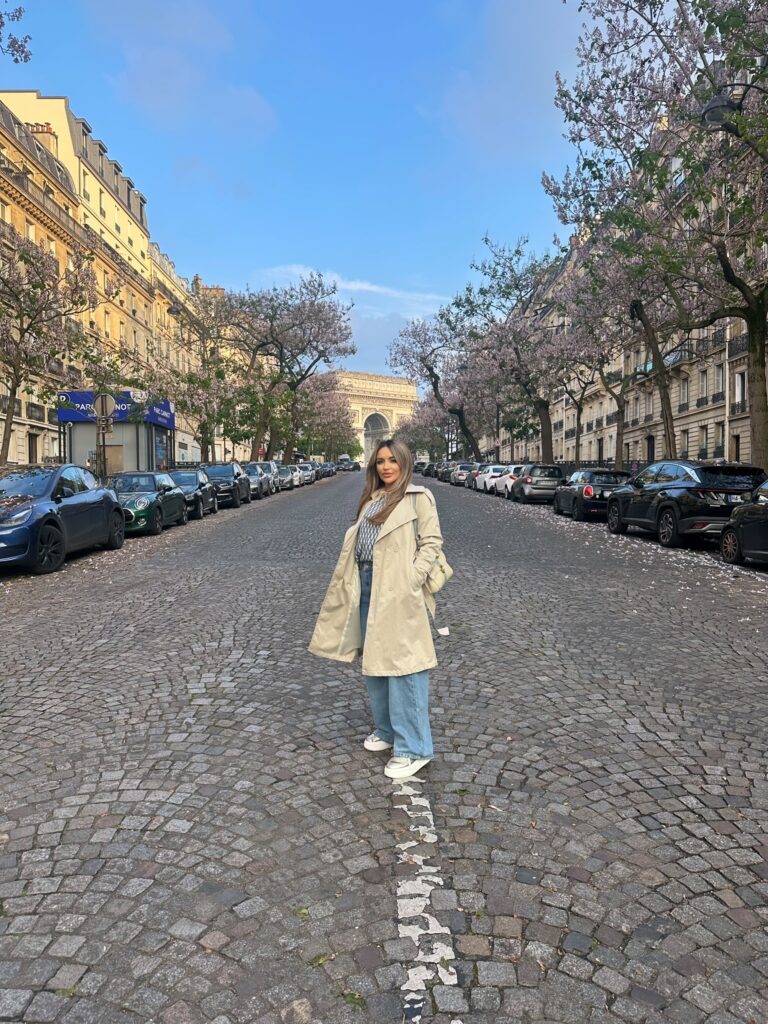
Commissioned by Napoleon in 1806, the Arc de Triomphe honors those who fought in the French Revolutionary and Napoleonic Wars. Completed in 1836, it stands at the center of the Place Charles de Gaulle, where twelve avenues, including the Champs-Élysées, converge.
Climbing the 284 steps to the top rewards visitors with clear views stretching from the Louvre to La Défense. At its base lies the Tomb of the Unknown Soldier, marked by an eternal flame lit since 1923.
The Champs-Élysées itself is one of the most famous avenues in the world. It stretches nearly 2 kilometers and is lined with shops, cafés, and theaters. Seasonal events, such as the Bastille Day military parade, make this area a hub of activity.
For visitors, combining the Arc de Triomphe with a walk down the Champs-Élysées offers both historical insight and a chance to experience modern Parisian life.
Sacré-Cœur Basilica and Montmartre
The Sacré-Cœur Basilica crowns the hill of Montmartre, the highest point in Paris. Completed in 1914, the white-domed church is dedicated to the Sacred Heart of Jesus and is visible across the city.
Inside, the basilica features one of the largest mosaics in the world, depicting Christ in Majesty. Visitors can also climb to the dome for wide views of Paris, rivaling those from the Eiffel Tower.
Montmartre itself has long been associated with artists. Figures like Picasso and Van Gogh once lived and worked here, and the neighborhood still has studios, galleries, and the lively Place du Tertre, where painters display their work.
Narrow cobblestone streets, small cafés, and stairways add to the charm. Exploring Montmartre alongside a visit to Sacré-Cœur provides a mix of spiritual, artistic, and cultural experiences that reflect another side of the city’s identity.

World-Class Museums and Artistic Treasures
Paris holds some of the most important collections of art and sculpture in the world. Visitors can see works ranging from ancient Greek statues to Impressionist paintings and modern masterpieces, all displayed in settings that highlight their cultural and historical value.
Louvre Museum Highlights
The Louvre Museum is the largest art museum in the world and a central landmark in Paris. It houses more than 35,000 works, making it impossible to see everything in one visit. Many travelers focus on its most famous pieces.
Key highlights include Leonardo da Vinci’s Mona Lisa, the Venus de Milo, and the Winged Victory of Samothrace. These works represent different eras, from ancient Greece to the Renaissance.
The museum also features Eugène Delacroix’s Liberty Leading the People, along with Egyptian, Islamic, and Near Eastern collections. Visitors often spend at least half a day exploring.
For easier navigation, the museum uses a color-coded system and offers a mobile app. The glass pyramid designed by I.M. Pei serves as the main entrance and is itself an architectural icon. More details on planning a visit can be found in this Paris Museums Guide.
Musée d’Orsay and Impressionist Art
The Musée d’Orsay sits inside a former railway station with a striking glass roof and ornate clock towers. It focuses on art created between 1848 and 1914, a period known for dramatic changes in style and technique.
Its collection includes masterpieces by Claude Monet, Pierre-Auguste Renoir, Edgar Degas, Édouard Manet, and Vincent van Gogh. The galleries are arranged chronologically, allowing visitors to see the development of Impressionism and Post-Impressionism.
Highlights include Monet’s Blue Water Lilies, Renoir’s Dance at Le Moulin de la Galette, and Van Gogh’s Self-Portrait. The museum also displays works by Paul Cézanne, bridging Impressionism and modern art.
Temporary exhibitions often focus on single artists or movements, giving added context to the permanent collection. The fifth floor provides some of the best views of the Seine and the city.
Rodin Museum and Sculptural Masterpieces
The Rodin Museum is set in a former mansion where Auguste Rodin lived and worked. It displays his most renowned sculptures, including The Thinker, The Kiss, and The Gates of Hell.
The museum combines indoor galleries with a landscaped sculpture garden. Visitors can walk among bronze and marble works placed throughout the grounds, creating a calm environment for viewing.
Inside, the collection includes not only Rodin’s pieces but also paintings by artists such as Van Gogh and Monet, which he collected during his life. Personal letters and drawings give insight into his creative process.
The garden café offers a quiet place to rest, making this museum a balance of art and atmosphere.
Musée de l’Orangerie and Monet’s Water Lilies
The Musée de l’Orangerie is best known for Claude Monet’s large-scale Water Lilies murals. These works are displayed in two oval-shaped rooms designed to immerse visitors in the paintings. Natural light shifts throughout the day, changing how the colors appear.
Beyond Monet, the museum also holds the Walter-Guillaume Collection, which includes works by Paul Cézanne, Renoir, Picasso, and Henri Matisse. These smaller galleries provide a focused look at Post-Impressionism and early modern art.
Because of its size, the museum can be explored in just a couple of hours. Many visitors pair it with a trip to the nearby Tuileries Garden. More information about this collection can be found in the Paris Museums Guide.
Historic Neighborhoods and Local Culture
Paris preserves its history through neighborhoods where architecture, cafés, and local traditions remain central to daily life. These areas combine cultural heritage with small details like hidden courtyards, historic bookshops, and riverside walks that reveal how Parisians live and connect with their past.
Le Marais and Place des Vosges
Le Marais is one of the oldest districts in Paris, with narrow medieval streets and Renaissance mansions. It has become a hub for art galleries, fashion boutiques, and Jewish heritage sites. Walking along Rue des Rosiers, visitors find bakeries, falafel shops, and long-standing family businesses that reflect the area’s layered history.
At the heart of the neighborhood lies Place des Vosges, the oldest planned square in Paris. Its symmetrical arcades and gardens provide a quiet escape from the busy streets. The square also houses Victor Hugo’s house, now a museum dedicated to the author of Les Misérables.
Le Marais blends historic charm with a lively cultural scene. Visitors often explore its museums, like the Musée Carnavalet, or simply enjoy the architecture that ranges from medieval to Belle Époque. This mix makes the district a favorite for both locals and travelers seeking a deeper look at Parisian life.
Saint-Germain-des-Prés and Literary Cafés
Saint-Germain-des-Prés is closely tied to Paris’s literary and artistic past. Writers, philosophers, and musicians once gathered in its cafés, many of which still operate today. Café de Flore and Les Deux Magots remain iconic meeting places, where visitors can sit at marble tables once frequented by Sartre, Beauvoir, and Picasso.
The neighborhood also features elegant Haussmannian architecture and historic churches, including the Abbey of Saint-Germain-des-Prés, one of the oldest in Paris. Small bookshops and art galleries line the streets, adding to the intellectual atmosphere.
Shopping is another draw, with boutiques and specialty shops offering everything from antiques to high-end fashion. Unlike the grandeur of Galeries Lafayette Haussmann, the stores here feel more intimate, reflecting the district’s refined character.
Latin Quarter and Shakespeare & Company
The Latin Quarter is famous for its student energy, thanks to the Sorbonne and nearby universities. Its winding streets are filled with bookshops, cafés, and theaters that keep the area vibrant. The mix of medieval architecture and bustling student life gives it a unique atmosphere.
A highlight is the legendary Shakespeare & Company bookstore, which has been a gathering place for writers since the 20th century. Visitors can browse its shelves, attend readings, or simply enjoy the view of Notre-Dame across the river.
The neighborhood also offers historic landmarks such as the Panthéon and the medieval Cluny Museum. Creperies and casual cafés line the streets, making it an easy place to stop for a meal while exploring.
Canal Saint-Martin and Bohemian Vibes
Canal Saint-Martin stretches through northeastern Paris, offering tree-lined paths and iron footbridges that create a relaxed setting. The area has a bohemian vibe, with vintage shops, art studios, and trendy cafés along the water. Locals often gather here for picnics or evening walks.
The canal has grown popular among younger Parisians, who enjoy its mix of casual dining and nightlife. Small bistros serve regional French dishes, while bars host live music. Street art adds color to the walls and bridges, giving the district a creative edge.
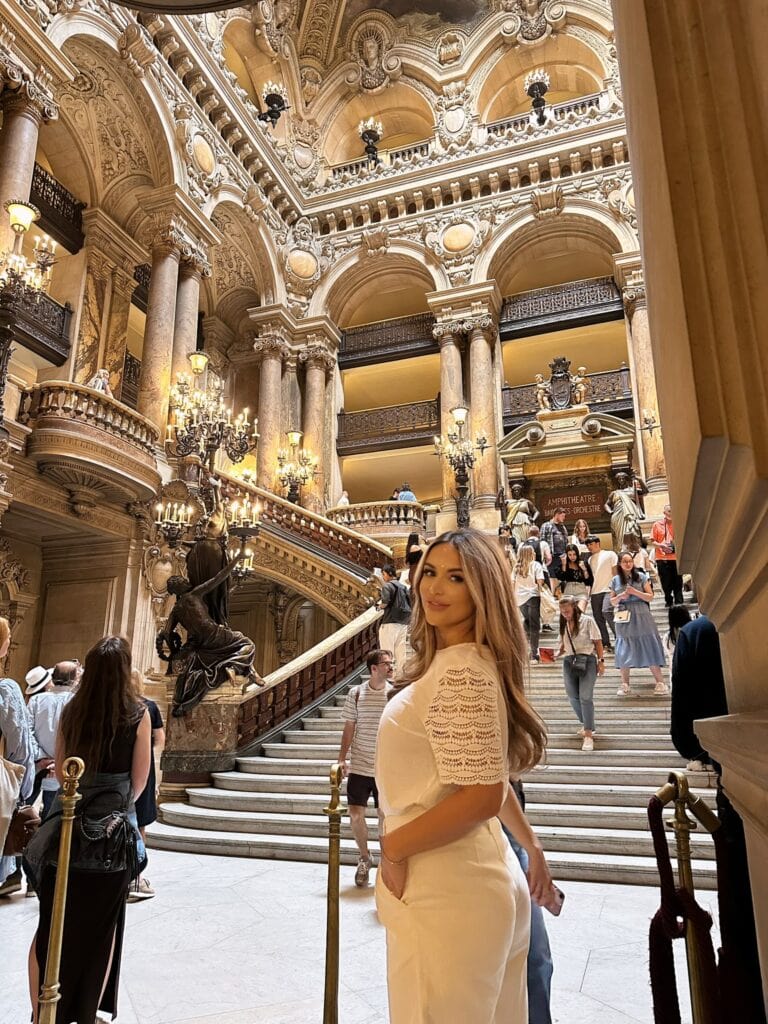
Nearby, visitors can walk toward Montmartre to see the Wall of Love or head south to the Palais Garnier, home of the Phantom of the Opera legend. This mix of culture, leisure, and history makes Canal Saint-Martin a lively part of modern Paris.
For more on exploring Paris neighborhoods, see this guide to the best areas to visit and this detailed look at historic districts and their architecture.

Unique Experiences and Hidden Gems
Paris offers a mix of historic landmarks, quiet green spaces, and lesser-known cultural sites that reveal a different side of the city. From river cruises to underground tunnels, each place shows a unique layer of Parisian history and daily life.
Seine River Cruises and Bridges
A cruise along the Seine River gives visitors a direct view of the city’s most important landmarks. Boats pass by the Eiffel Tower, Notre-Dame, and the Conciergerie, once used as a royal palace and prison during the French Revolution. Evening cruises are especially popular for seeing the monuments lit up.
The bridges crossing the Seine are attractions themselves. Pont Neuf, despite its name meaning “new bridge,” is the oldest surviving bridge in Paris. Pont Alexandre III is often considered the most ornate, with golden statues and Art Nouveau lamps.
Walking across these bridges offers a slower way to enjoy the river. Many locals use them as meeting points or simply as scenic spots to pause for photos. Together, the cruises and bridges highlight both the grandeur and everyday rhythm of the city.
Catacombs of Paris and Père Lachaise Cemetery
The Catacombs of Paris house the remains of over six million people, transferred here when city cemeteries overflowed in the 18th century. Visitors walk through tunnels lined with bones arranged in patterns, a reminder of the city’s long history. The site is both somber and historically significant.
Above ground, the Père Lachaise Cemetery is one of the most visited burial grounds in the world. It is the resting place of writers, musicians, and political figures. Notable graves include Oscar Wilde, Frédéric Chopin, and Jim Morrison.
The cemetery is also an open-air museum of funerary art. Mausoleums and sculptures reflect changing styles over two centuries. Together with the catacombs, these spaces show how Parisians have honored memory and mortality.
Jardin du Luxembourg and Parisian Parks
The Jardin du Luxembourg is a favorite park for both locals and visitors. Built in the 17th century for Marie de’ Medici, it features the Medici Fountain, shaded paths, and formal gardens. Families often gather here for puppet shows, model sailboats, and open lawns.
Nearby, the Jardin des Tuileries links the Louvre with Place de la Concorde. Its wide walkways and sculptures make it a central spot for strolling. Chairs placed around fountains encourage visitors to linger.
Other green spaces, like the Esplanade des Invalides near the Musée de l’Armée and Les Invalides, connect leisure with history. These parks provide calm areas in a busy city while also reflecting Paris’s royal and revolutionary past.
Shopping, Markets, and Culinary Delights
Paris offers more than luxury boutiques. Open-air markets reveal the city’s food culture. Marché d’Aligre, for example, mixes fresh produce with antiques, while Marché des Enfants Rouges is known for international street food.
Specialty shops highlight French traditions. Bakeries sell baguettes and pastries, while fromageries display dozens of regional cheeses. Sampling these foods gives insight into local daily life.
For history with shopping, the covered passages like Galerie Vivienne combine small shops with 19th-century architecture. Exploring them feels different than visiting large department stores. Together, these markets and shops show how Paris blends tradition, taste, and style.
For more ideas, guides such as 27 unique experiences in Paris and hidden gems across the city highlight additional local favorites.
Frequently Asked Questions
Visitors often want to balance famous landmarks with hidden spots, enjoy affordable options, and plan activities that fit their time and interests. Paris offers choices for young travelers, families, couples, and anyone seeking unique cultural experiences.
What are the top attractions for young adults visiting Paris?
Young adults often enjoy a mix of nightlife and culture. Popular stops include the Canal Saint-Martin for trendy cafés, the Marais for shopping and art, and the Palais de Tokyo for modern art. At night, areas like Oberkampf and Bastille are known for lively bars and music venues.
Where can I find free activities in Paris?
Many of Paris’s best sights cost nothing. Walking along the Seine River, exploring Montmartre, or visiting markets like Marché d’Aligre are all free. Major museums such as the Louvre and Musée d’Orsay also offer free entry on the first Sunday of each month, as noted in some Paris travel FAQs.
How can I make the most of a single day in Paris?
A one-day visit works best with a planned route. Start at the Eiffel Tower, walk through the Champs-Élysées to the Arc de Triomphe, and continue to the Louvre. From there, visitors can stroll to Notre-Dame and end the evening in the lively Latin Quarter, as suggested in guides like the Paris Discovery Guide.
What are some unique experiences to have in Paris?
Unusual activities include exploring the Catacombs, taking a street art tour in the 13th arrondissement, or visiting hidden passages like Galerie Vivienne. Food lovers may enjoy a cheese-tasting workshop or a cooking class focused on French pastries.
What are the best family-friendly activities in Paris?
Families often enjoy the Jardin du Luxembourg, where children can sail toy boats, or the Cité des Sciences museum with its interactive exhibits. A day trip to Disneyland Paris is also popular. For a lighter option, boat rides on the Seine give children a fun way to see major landmarks.
What are the romantic activities for couples in Paris?
Couples often choose a sunset picnic at Champ de Mars with views of the Eiffel Tower. Evening Seine cruises are another favorite. For a quieter moment, the Wall of Love in Montmartre and the gardens of Palais-Royal offer intimate settings, as highlighted in several Paris travel guides.
You Might Also Like:
If you enjoyed this post on What to Do in Paris: Amazing Sights to See, you might also like: Europe Backpacking: How to Have an Epic Adventure, Ultimate Guide to The Safest Places in Europe, Budget Travel: How to See Europe on the Cheap